
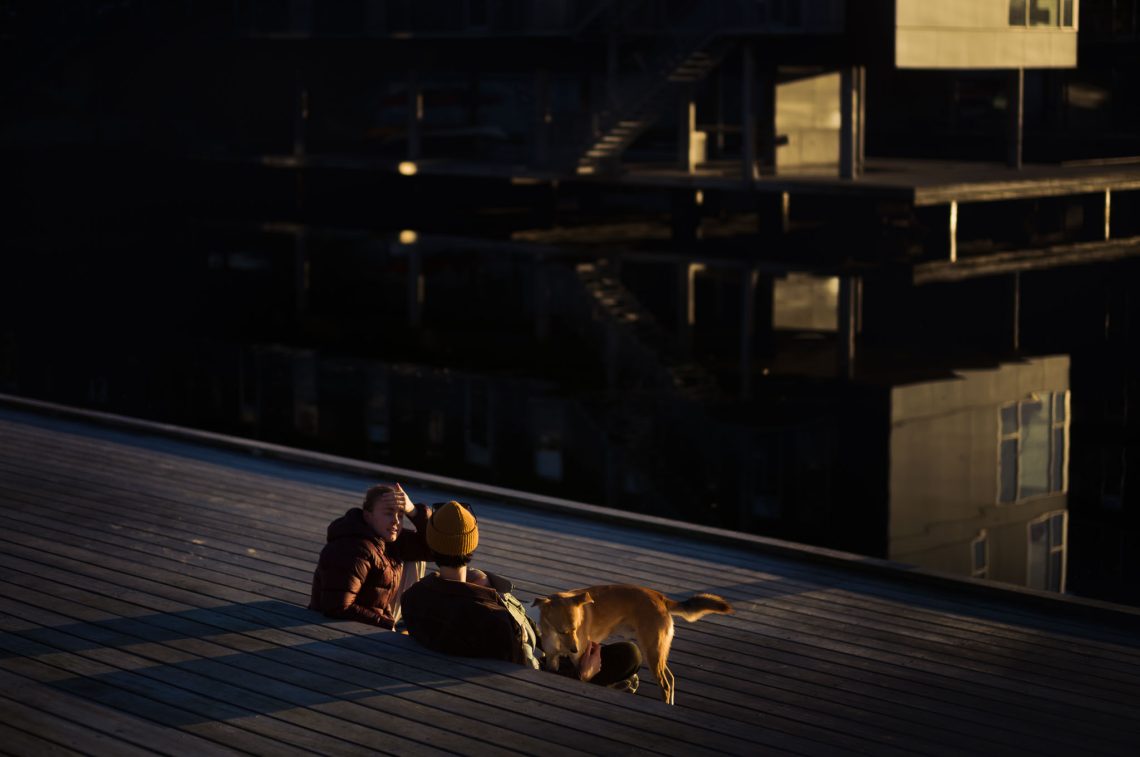
Black Pro Mist Taking the Digital Edge Off
The extraordinary detail of the Leica M EV1 is one of its greatest strengths, but maximum technical clarity is not always the same as the most expressive photographic result. A subtle diffusion filter and a three-stop ND filter can help shape that clarity into something gentler, more atmospheric and closer to the visual character we associate with film.
This article isn’t just related to this specific camera but digital cameras in general.
Sharp focus without a digitally sharp appearance
It is important to distinguish between focus and perceived sharpness.
Focus determines whether the subject is rendered clearly at the chosen distance. Perceived sharpness is influenced by several other factors:
- Microcontrast
- Edge contrast
- Highlight transitions
- Fine surface detail
- Digital sharpening
- The resolving power of the sensor and lens
A photograph can therefore be perfectly focused while still having a softer, less clinical appearance.
This distinction is particularly relevant with the Leica M EV1. Its 60.3-megapixel full-frame sensor has no optical low-pass filter, allowing it to record very fine detail and strong local contrast. It can produce exceptionally precise files, especially when combined with modern Leica M lenses.
The aim is not to make this combination blurry. It is to retain the precise point of focus while gently reducing the hard digital edge surrounding it.
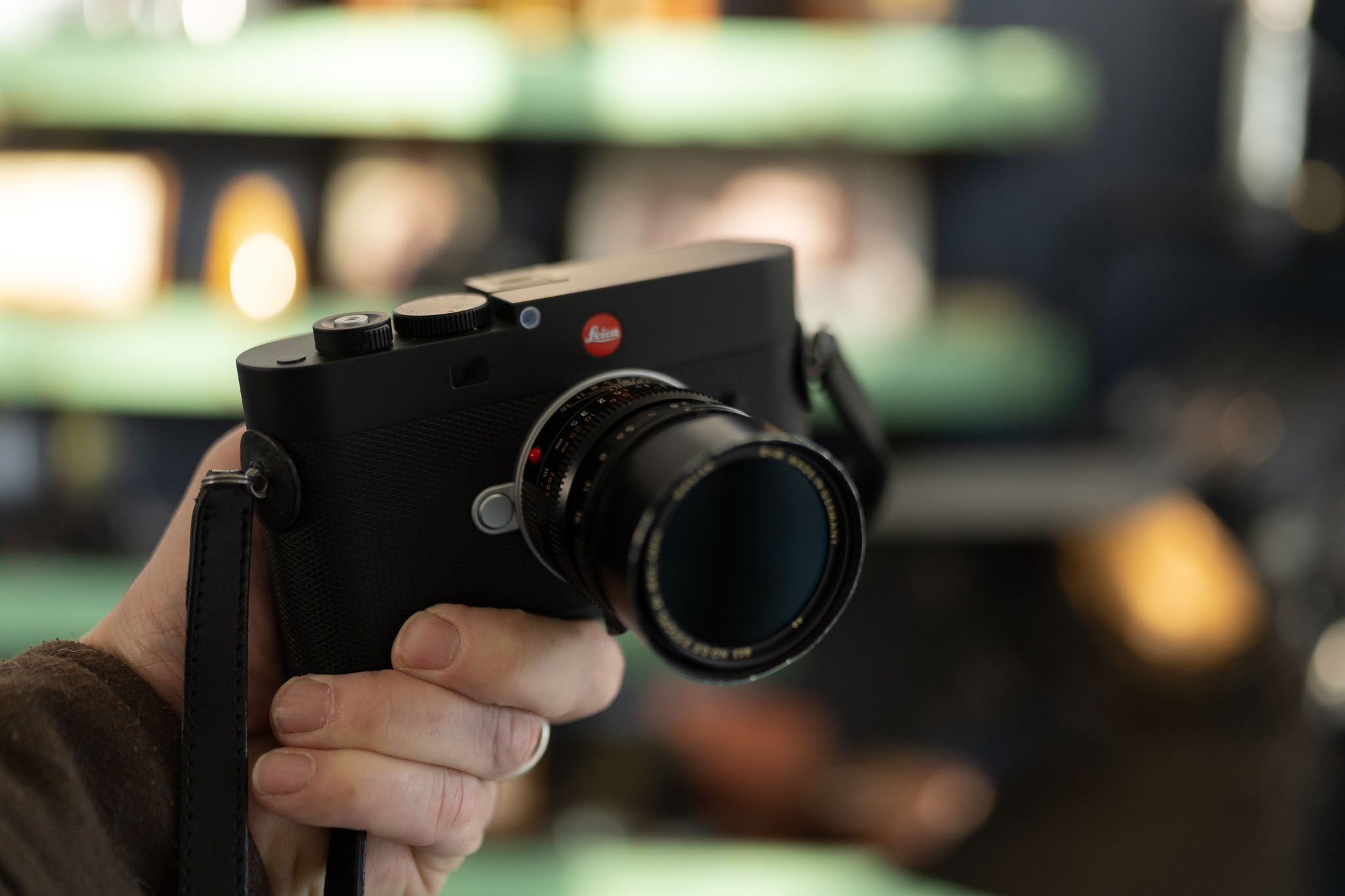
The Black Pro-Mist 1/8 filter
I use a B+W Black Pro-Mist 1/8. This is the lightest and most discreet version, making it particularly suitable for high-resolution still photography.
The Black Pro-Mist 1/8 does not simply place a soft veil over the photograph. It subtly changes the way highlights, contrast and fine details are rendered. The filter is reducing highlights and contrast, softening the appearance of fine facial detail and taking the edge off modern digital cameras.
Its effect can be seen in several areas.

When using a Black Pro Mist 1/8 and having light hitting the glass, it also creates stronger flare, which can be beautiful but also too much in some cases.
Leica EV1, Summilux 50mm f1.4 ASPH
Gentler highlight transitions
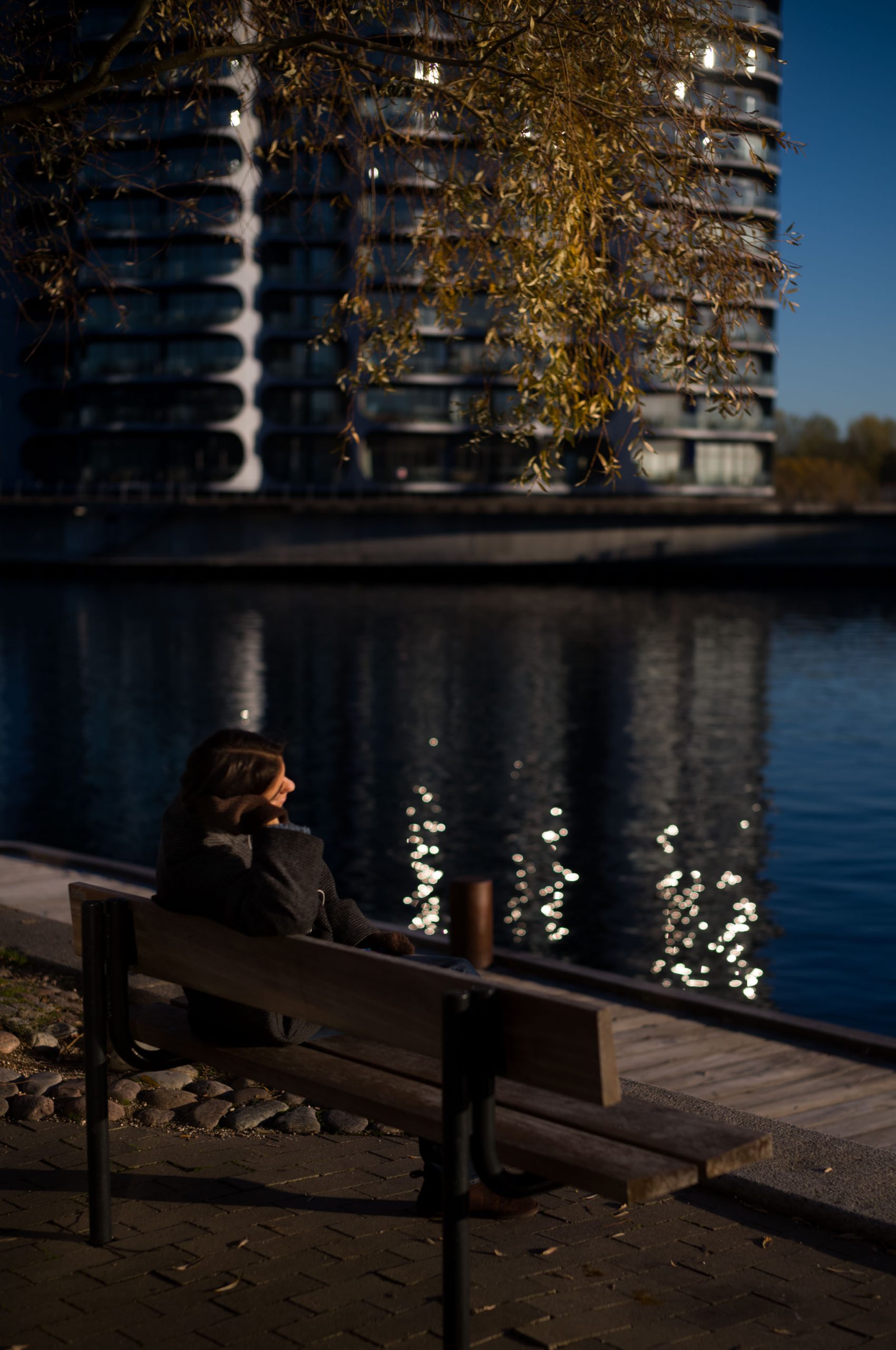
Bright areas spread very slightly into their surroundings. Reflections, streetlights, windows and sunlight catching a face can develop a restrained glow.
At 1/8 strength, this is normally subtle rather than theatrical. Highlights feel less abrupt, while most of the underlying detail remains intact. Compared with traditional soft-focus filters, a 1/8 Black Pro-Mist causes relatively little loss of overall detail.
Reduced microcontrast
Modern digital cameras and lenses can make every edge appear very clearly defined. The Black Pro-Mist gently reduces this small-scale contrast.
Fine lines, skin texture, fabric and reflective surfaces become less brittle, but the actual point of focus remains visible. An eye can still be sharply focused, for example, while the surrounding skin is rendered with a smoother and more natural transition.
A more organic relationship between light and shadow
Film is not characterised merely by grain. Part of its visual character comes from the way light, colour, contrast and highlights interact.
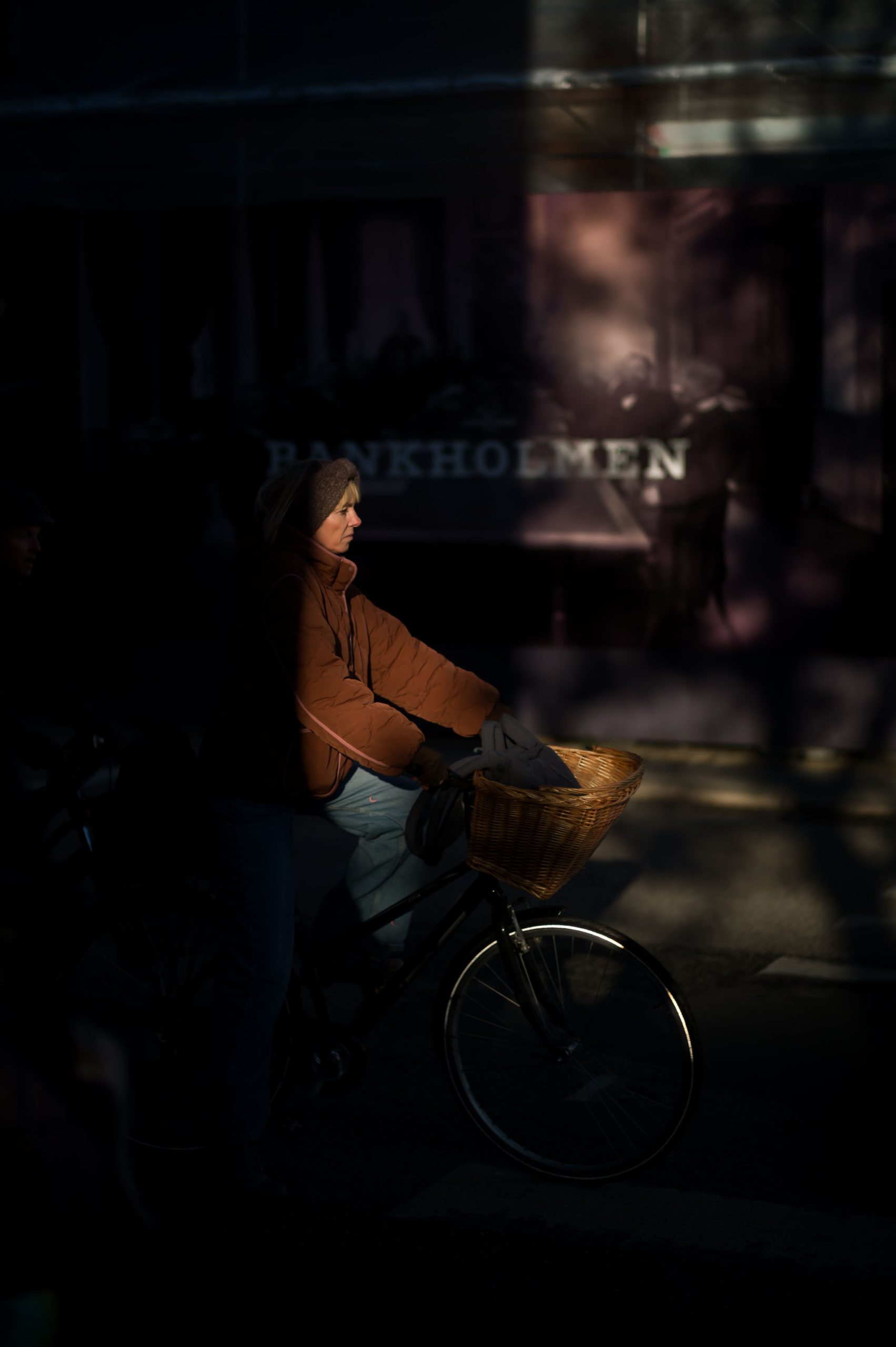
The Black Pro-Mist introduces a slight halation around bright areas while allowing darker areas to retain more substance than a conventional white diffusion filter. This can create a more dimensional, cinematic appearance without making the entire photograph look misty.
The filter is most effective when there are actual highlights in the scene. In flat, overcast light, the difference may be modest. In backlighting, evening streets, interiors with windows or scenes containing small reflections, it becomes considerably more visible.
What the ND 0.9 filter contributes
An ND 0.9 filter reduces the incoming light by three stops, transmitting approximately one-eighth of the original light. It allows you to use a wider aperture or a slower shutter speed without overexposing the photograph.
Unlike the Black Pro-Mist, an ND filter does not directly soften the image or remove digital sharpness. A good neutral-density filter should alter neither colour nor image character in any obvious way.
Its contribution is indirect but important: it gives you access to exposure settings that can produce a less clinical photograph.
Using wider apertures in daylight
Imagine photographing in daylight at ISO 64 with a 50mm Summilux at f/1.4.
Without an ND filter, the required shutter speed might be around 1/8000 second. Although the Leica M EV1 has an electronic shutter extending to 1/16000 second, using an ND 0.9 filter brings the equivalent exposure down by three stops, from 1/8000 to approximately 1/1000 second. I also prefer a mechanical shutter to avoid banding and moving subjects stretching, making the need for an ND filter even more necessary to shoot wide open.
The ND filter is not needed simply because the camera lacks a fast shutter. It is useful because it gives you greater control over how you want to work.
By keeping the lens at f/1.4 or f/2 in bright conditions, you can achieve:
- Shallower depth of field
- Softer transitions between focused and unfocused areas
- Less environmental detail competing with the subject
- More of the individual rendering of the lens
- A greater separation between subject and background
This is not softness created by missed focus. The chosen subject can remain precisely focused, while the rest of the image falls away more progressively.
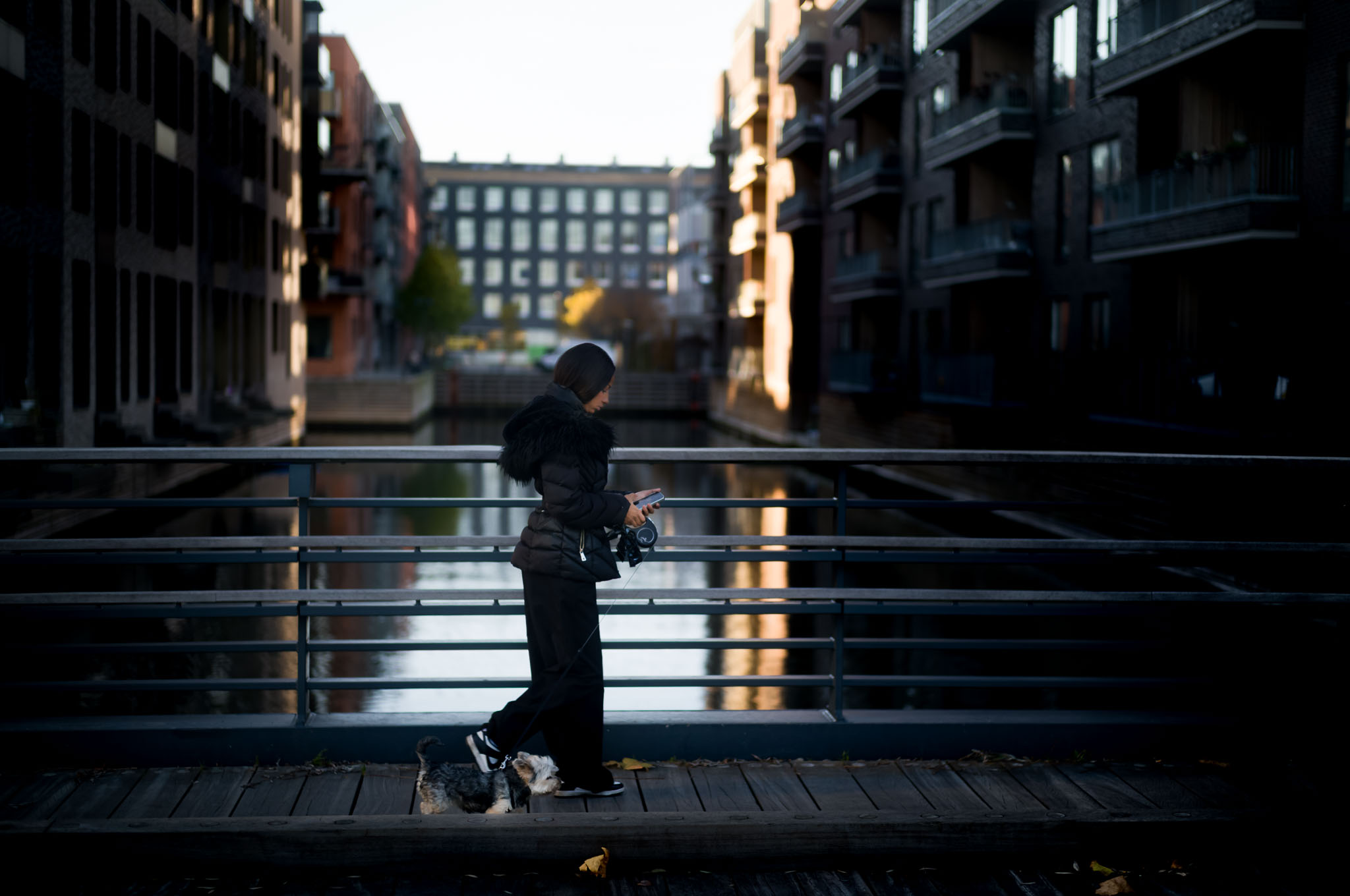
Introducing a little movement
The ND 0.9 can also be used to lower the shutter speed.
Instead of freezing every pedestrian at 1/1000 second, you might work at 1/125, 1/60 or even 1/30 second. The photograph can then contain slight movement in clothing, hands, passing bicycles or people walking through the frame.
That small amount of motion can make a street photograph feel more alive. Film-like character is not necessarily about replicating a particular emulsion. It can also come from allowing imperfection, movement and atmosphere into an otherwise technically perfect file.
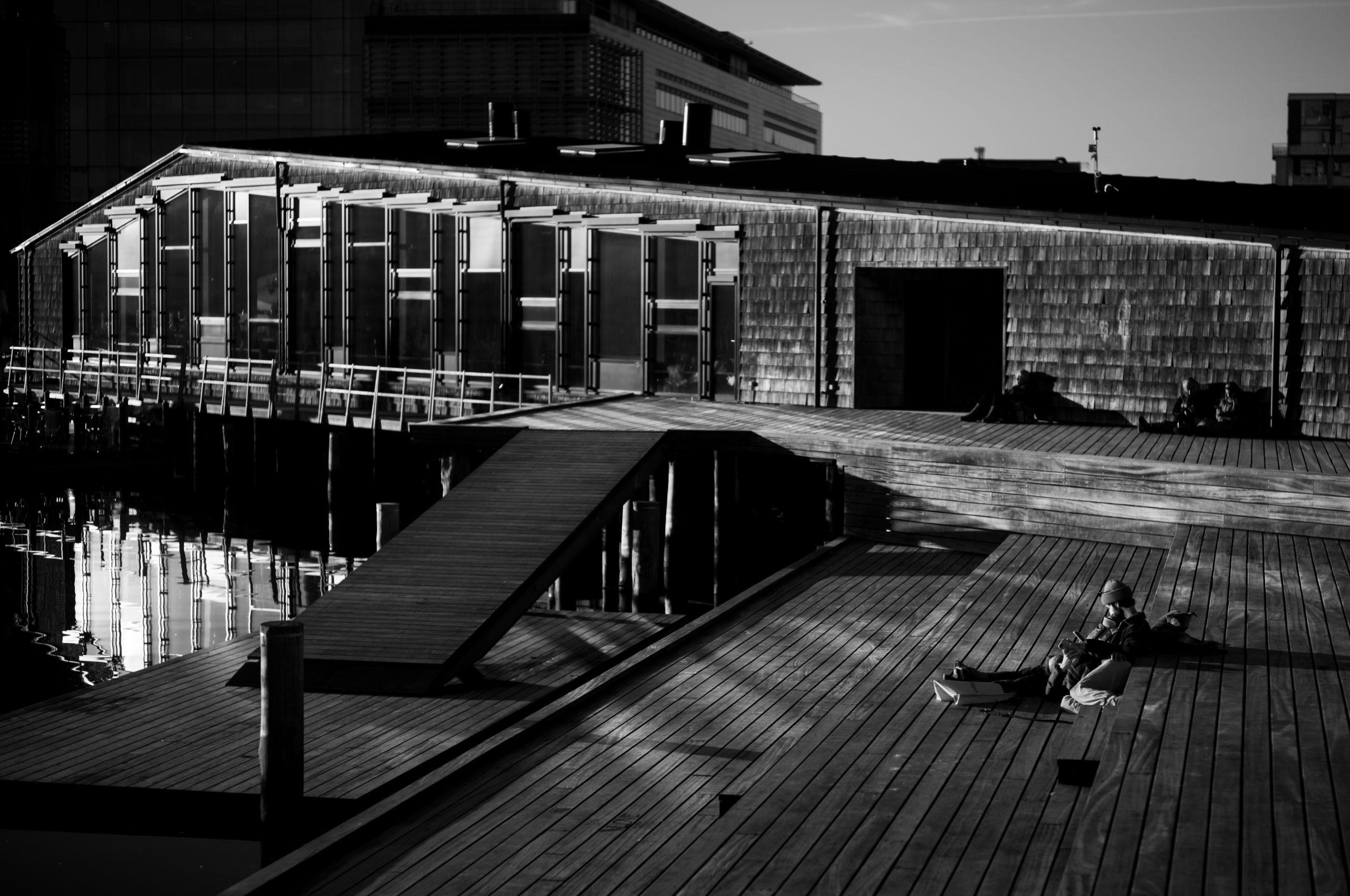
Using both filters together
The combination of a Black Pro-Mist 1/8 and an ND 0.9 can be especially effective with the Leica M EV1 and other cameras.
- The Black Pro-Mist modifies highlight behaviour and reduces the hard edge of fine digital detail.
- The ND 0.9 gives you control over aperture and shutter speed in bright light.
- The Leica M lens determines the underlying drawing, depth transitions and out-of-focus character.
- The 60-megapixel sensor retains enough detail that a restrained diffusion filter does not make the file feel genuinely soft.
The built-in 5.76-million-dot electronic viewfinder is valuable here because it provides live exposure preview and a through-the-lens view when using creative filters. Focus peaking and two levels of magnification can still be used to place focus accurately, even when a diffusion filter is mounted.
This makes the M EV1 particularly well suited to this way of working. You are not guessing how the filters affect the image. You can observe the highlights, exposure and depth of field before releasing the shutter.
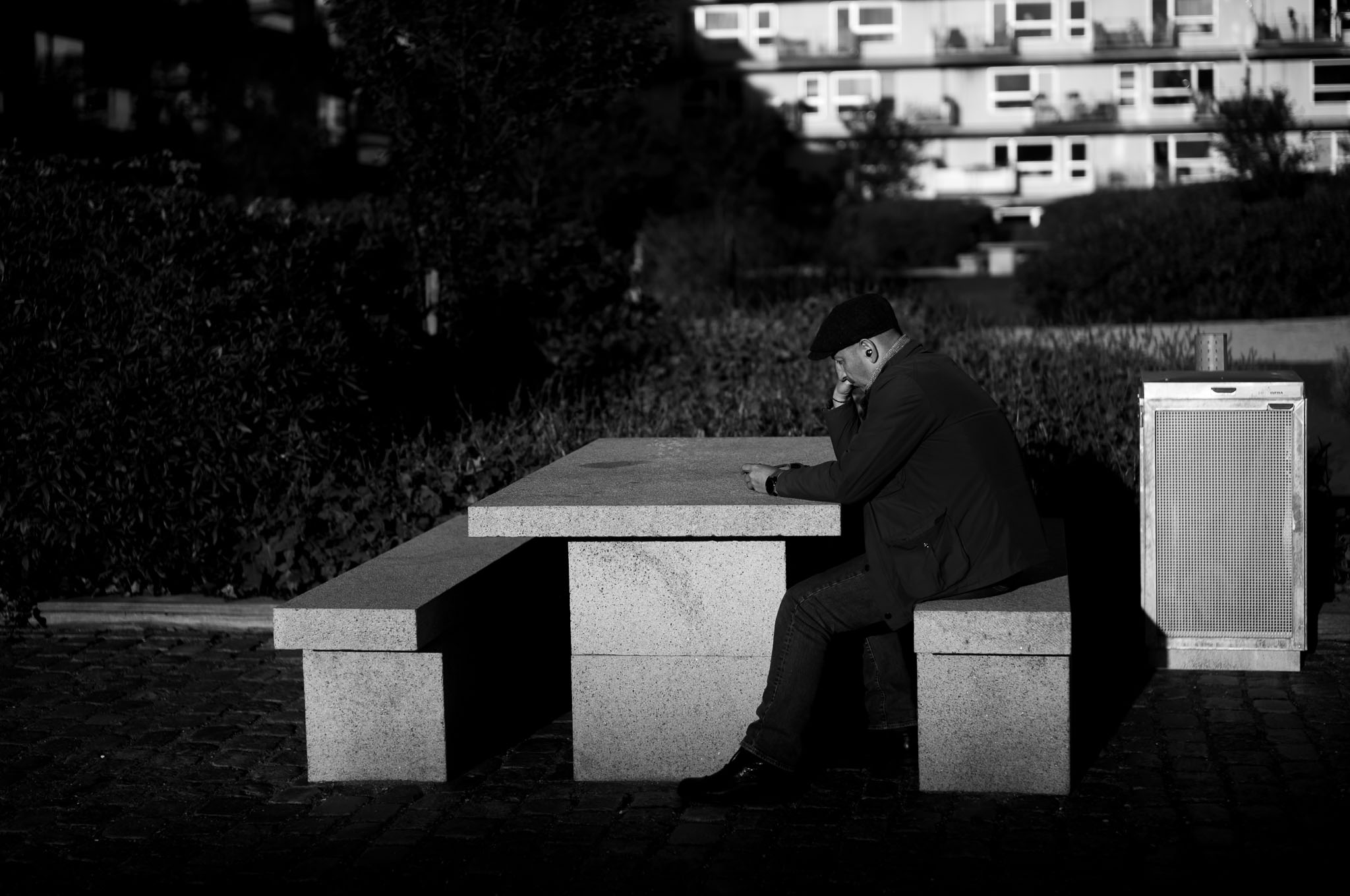
A practical starting point
For daylight street photography, I would begin with:
- DNG
- ISO 64 or 100
- Black Pro-Mist 1/8
- ND 0.9, three stops
- Aperture between f/1.4 and f/2.8
- Shutter speed selected according to movement
- Highlight-weighted metering in strong or difficult light
- Focus peaking used sparingly for faster situations
If you want the subject completely frozen, maintain a shutter speed of approximately 1/250 second or faster. If you want a hint of movement, experiment around 1/60 or 1/30 second. With a 35mm or 50mm lens, these slower speeds can bring a sense of life into the frame without necessarily turning the entire image into motion blur.
Important practical limitations
Stacking two filters can create problems, particularly on wider lenses.
A thick Black Pro-Mist combined with an ND filter may cause mechanical vignetting on a 28mm lens, and possibly on some 35mm lenses, and much less on 50mm and higher. Reflections between the two pieces of glass can also produce flare or ghost images when shooting directly into strong light.
For best results on 28 and 35mm:
- Use high-quality filters with slim rings.
- Place the ND closest to the lens and the Black Pro-Mist outermost.
- Check the corners carefully when using 28mm or wider lenses.
- Remove unnecessary protective filters.
- Keep both filter surfaces extremely clean.
- Use a lens hood where the filter arrangement permits it.
- Avoid excessive clarity, texture and sharpening during processing.
Reducing digital harshness in front of the lens and then adding strong clarity in post-processing works against the purpose of the filter.

A starting point rather than a finished look
A Black Pro-Mist and an ND filter will not automatically make a digital photograph look like film. Film character also depends on exposure, colour, grain, tonal response, lens choice and, most importantly, light.
What the filters can do is create a more suitable starting point.
The Black Pro-Mist 1/8 softens the transition between light and detail without sacrificing accurate focus. The ND 0.9 allows wider apertures and slower shutter speeds when the available light would otherwise prevent them. Together, they encourage the high-resolution Leica M EV1 to produce images that remain precise where they need to be, but feel less clinically perfect everywhere else.
That is the essential difference: the photograph is not out of focus. It is simply allowed to breathe.