

Blown-Out Highlights: Digital vs. Film
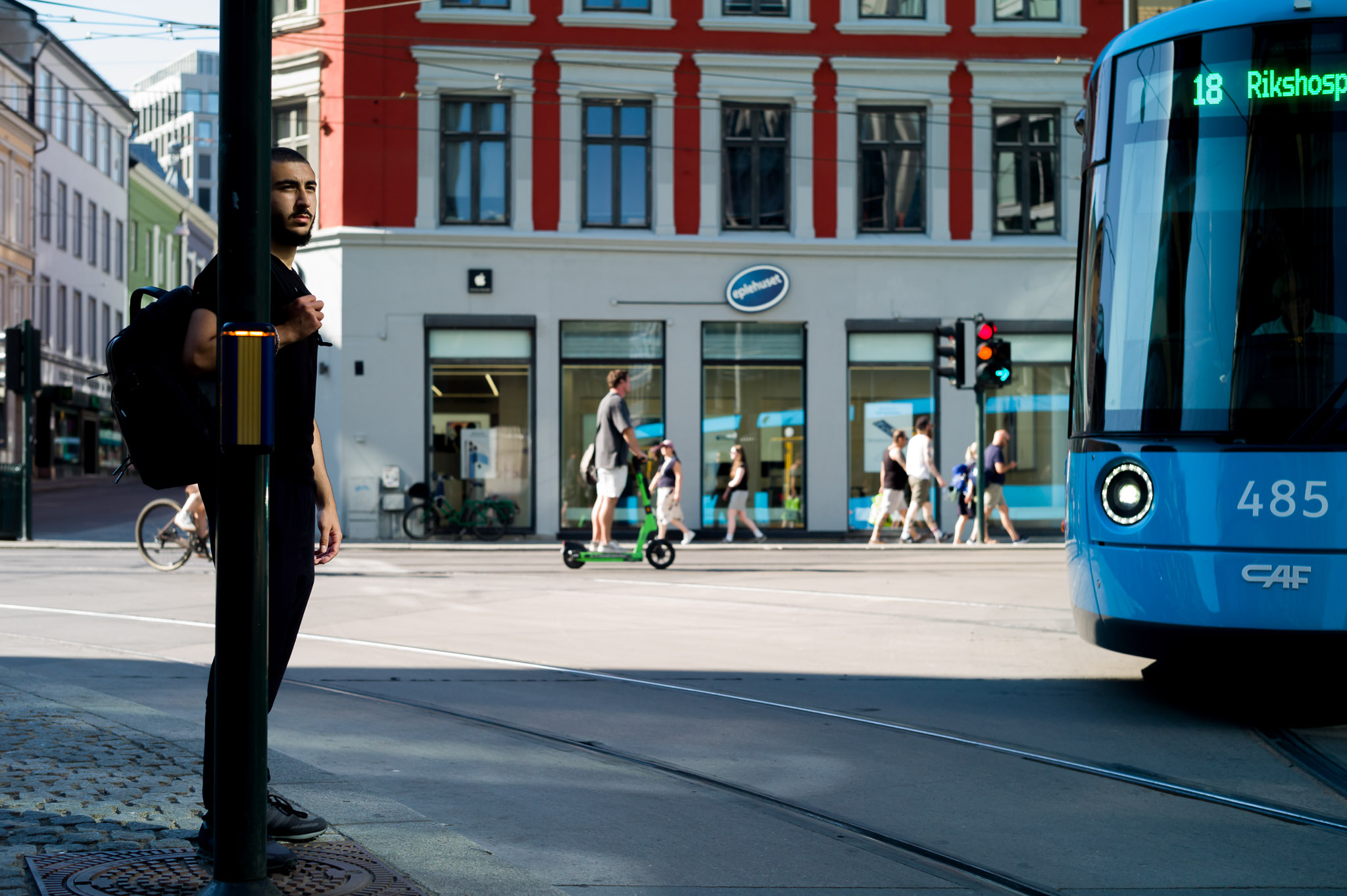
All images shot with Leica M9, Summilux 50mm f1.4 ASPH. All digital images.
In photography, highlights are where light meets its limit. They’re the brightest parts of an image—sunlight on a forehead, reflections on water, the glint of chrome. But when those highlights exceed the medium’s capacity to record detail, they become “blown out.” And how that blowout behaves—whether on digital sensors or film—can profoundly shape the emotional and aesthetic impact of a photograph.
In a digital age, the digital photographers, have to accept these limitations and accept it looks different as on film.


Digital: The Cliff Edge
Digital sensors are unforgiving when it comes to overexposure. Once a pixel reaches its maximum value, it clips—turning pure white, devoid of texture or nuance. There’s no gradual fade, no softness. It’s like falling off a cliff: one step too far, and all detail is lost.
This can be jarring, especially in high-contrast scenes. A bright sky might turn into a blank canvas, robbing the image of atmosphere. Skin tones can lose their dimensionality. For street photographers working in harsh midday light, this can be a constant battle.
Yet, digital’s precision also offers control. With histograms, and RAW files, photographers can monitor exposure in real time and recover some detail in post. But the aesthetic of digital blowout remains stark—clinical, sometimes brutal.
I recomments always to underexposure digital images with 1/3 or a half stop to preserve more of the highlights. Afterwards in post editing the shadows can be lifted back up, without losing too much of the highlights.

Film: The Gentle Fade
Film, by contrast, handles highlights with grace. Overexposed areas don’t clip abruptly; they roll off far more gently. The emulsion responds to light in a nonlinear way, allowing for a more gradual transition from detail to brightness. Even when highlights are technically “blown,” they often retain a sense of texture and tone.
Different modern digital sensors handles highlights better than older sensors, but there still isn’t a true one to one comparison to film.
This is especially true with color negative film, which has a wide latitude for overexposure. A sunlit face might glow rather than glare. A white shirt in full sun might still show its folds and fibers. The result is often more forgiving, more organic—less about technical perfection and more about emotional resonance.
Aesthetic Implications
The difference isn’t just technical—it’s expressive. Digital blowouts can feel modern, stark, even confrontational. Film blowouts evoke softness, nostalgia, and warmth. One isn’t better than the other; they simply speak different visual languages.
For photographers, understanding this distinction is key. Do you want the harsh realism of digital, or the poetic ambiguity of film? Are you chasing clarity or mood? The choice of medium—and how it handles light’s extremes—can shape the story you’re telling.
Conclusion
Blown-out highlights are often seen as mistakes. But they can also be expressive tools. Whether you shoot digital or film, how you handle these luminous thresholds can define your photographic voice. Embrace them. Explore them. Let them burn beautifully.
As I stated in my latest YouTube video, I don’t care about blown out highlights. As long as it looks good or is part of the story telling.
On my street photo workshops this is also something we look into. How to frame, and make use of the light as it is. You can check out the calendar for the 2026 workshops. Be sure to sign up now to secure your spot and save 20% before its too late.
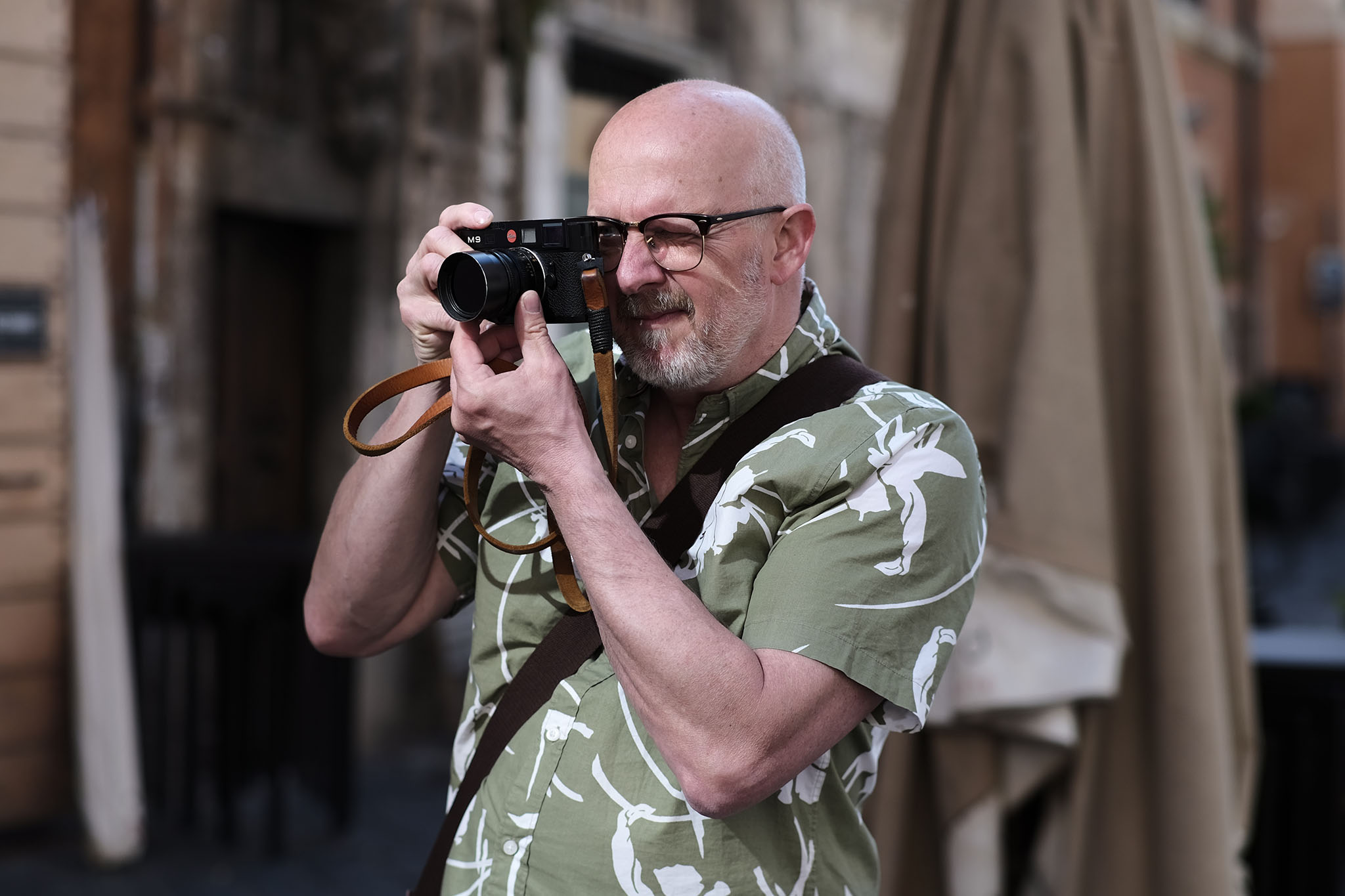
Photo: Stefan Lalkovski. Morten Albek photographing on the photo workshop in Rome.
Share this:

Discover more from Morten Albek Photo Workshops
Subscribe to get the latest posts sent to your email.

