
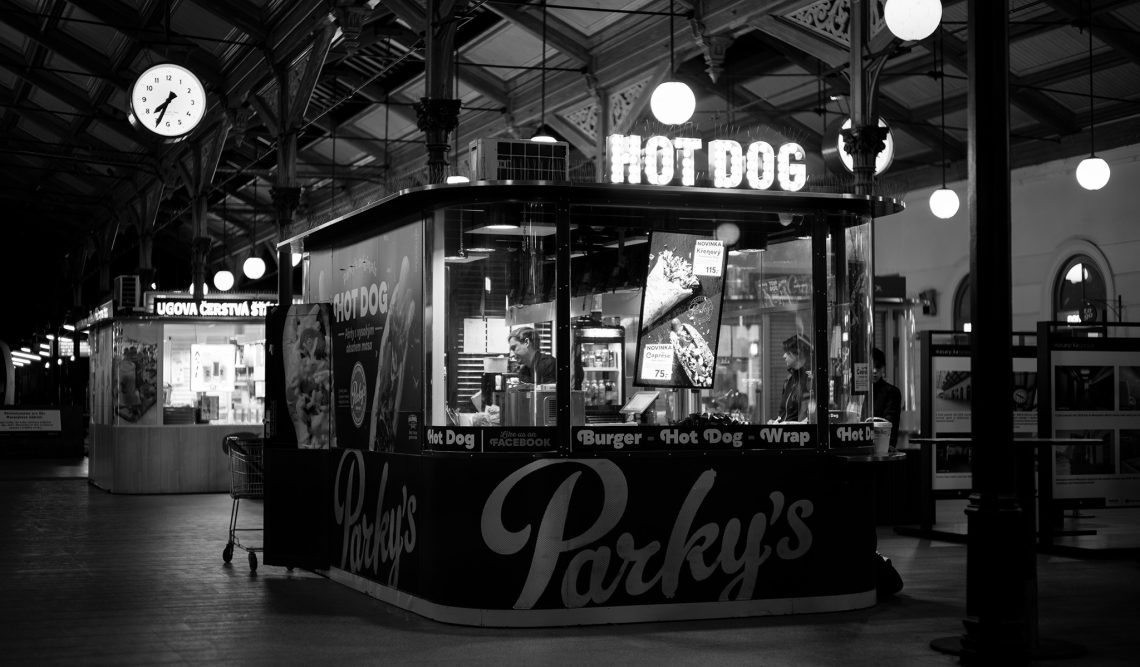
Street Photography: Discovering Beauty and Light in Urban Landscapes
When most people think of street photography, they imagine candid portraits, bustling crowds, and intimate human moments. But what if you’re not drawn to photographing people up close?
I added a quick poll at the end of the post, and you can watch this on YouTube too.
For several reasons, it can be felt pushy when a photographer goes up close to strangers.
Does that mean street photography isn’t for you? Absolutely not.
The streets offer endless opportunities for storytelling beyond faces—through architecture, light, textures, and the quiet poetry of urban spaces. It can be everything from seeing the beauty in the details, a leftover pizza box with matching colours, to the flowers of a Lilac as the one I discovered on a walk in Helsinki. Or the Ukrainian flag decoration in a barbershop window. Small stories to tell.
It can be with the aim of the street photographers choices, or like you would do it on travel.
Travel photography can improve a lot by learning from the street photography genre, and lifting the quality of holiday memories.
Photos taken with Leica M9, Summilux 50mm f 1.4 ASPH.
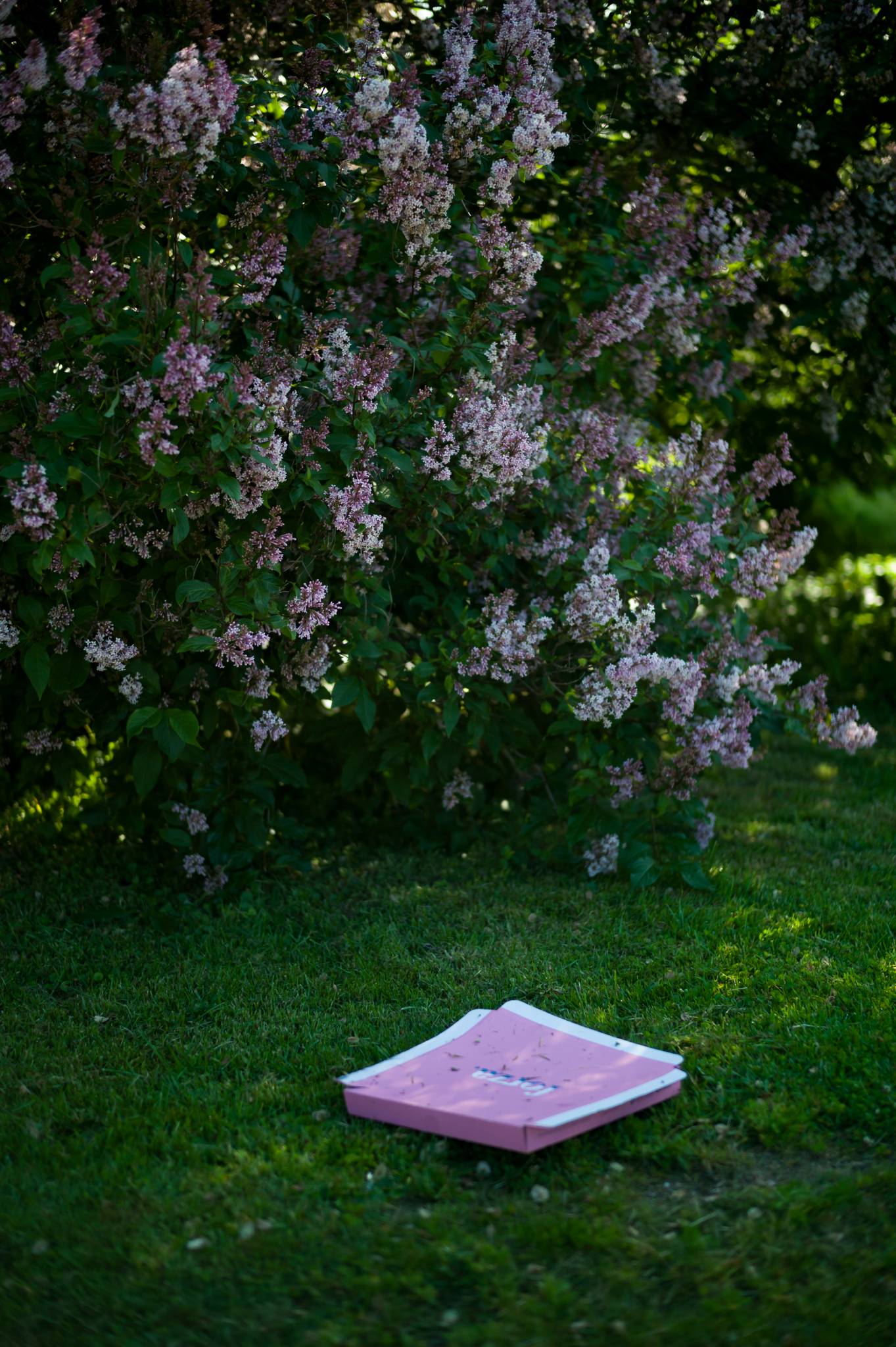
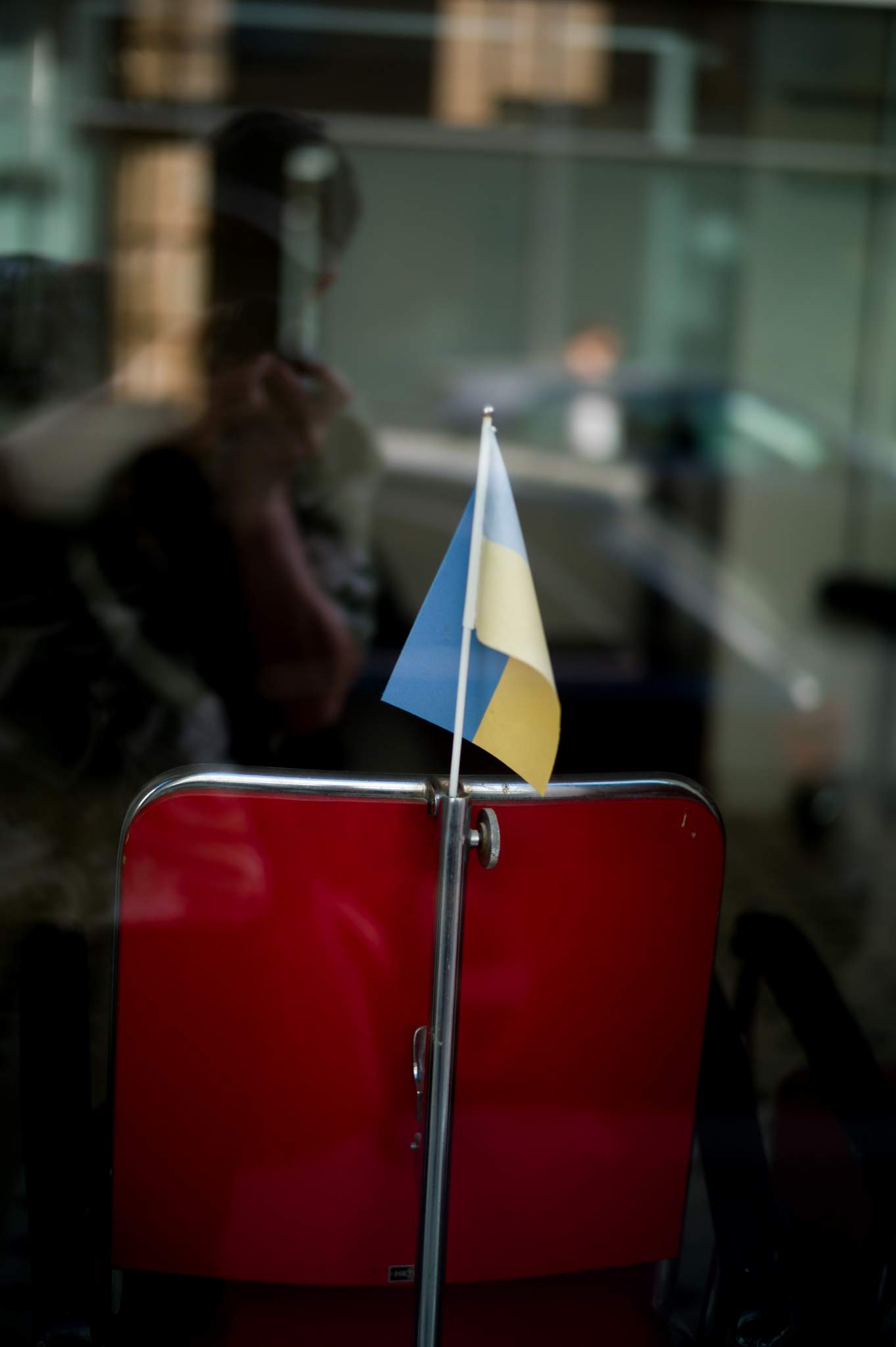
Urban landscapes are the stage on which life unfolds. They carry history in their bricks, rhythm in their patterns, and drama in their shadows. By shifting your focus from people to places, or making a combo, you can create images that are just as compelling—sometimes even more evocative—because they invite viewers to imagine the unseen stories behind the scenes. More like a painting of the cityscape. Close to photographing nature, where it is the beauty, or ugliness, that draws attention to the eye.
Let the City Speak
Instead of chasing human subjects, look for geometry, patterns, and contrasts. A row of windows glowing in the sunset, a cracked pavement leading the eye into the frame, or a child holding a, or just flying around.
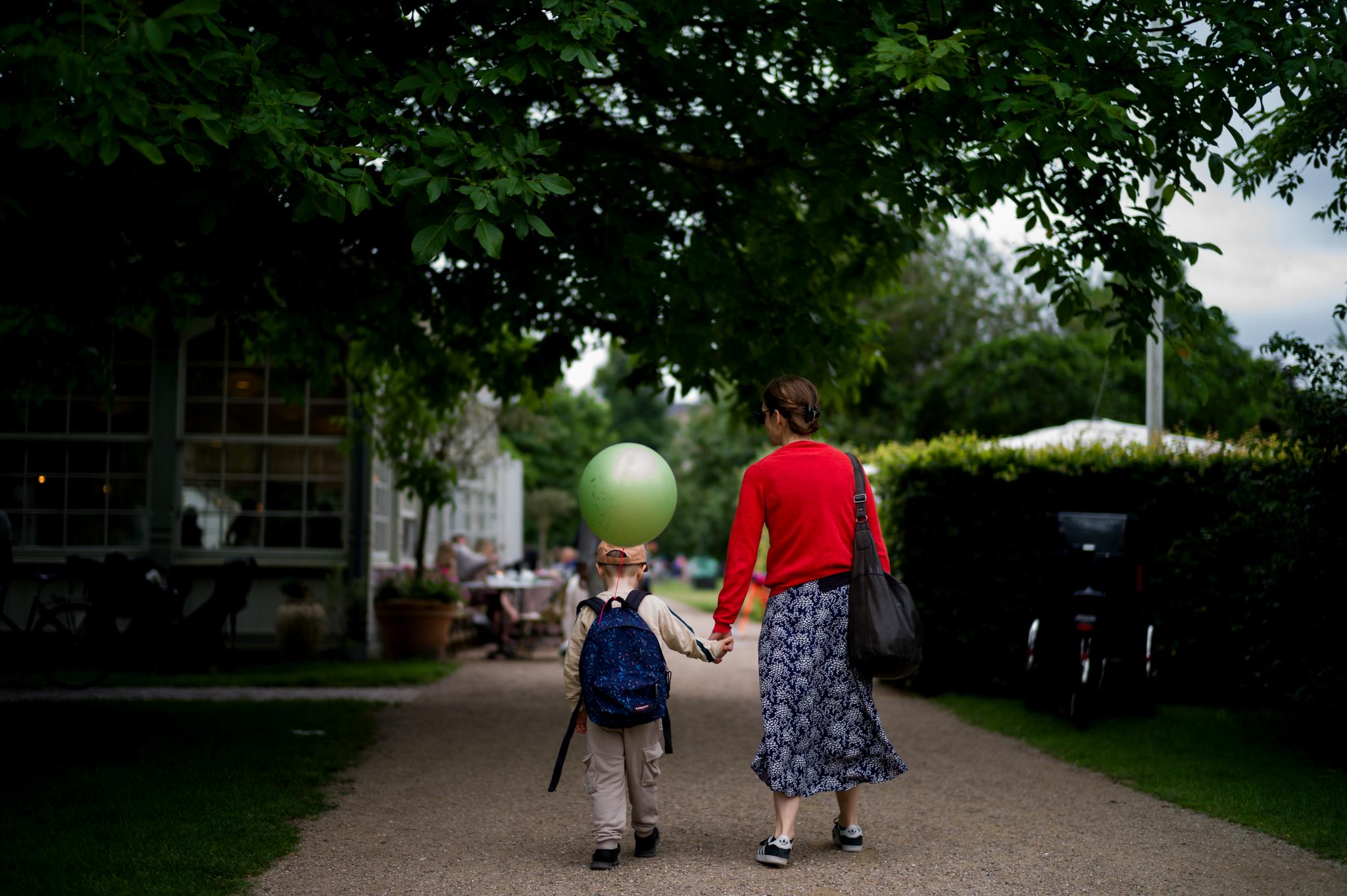
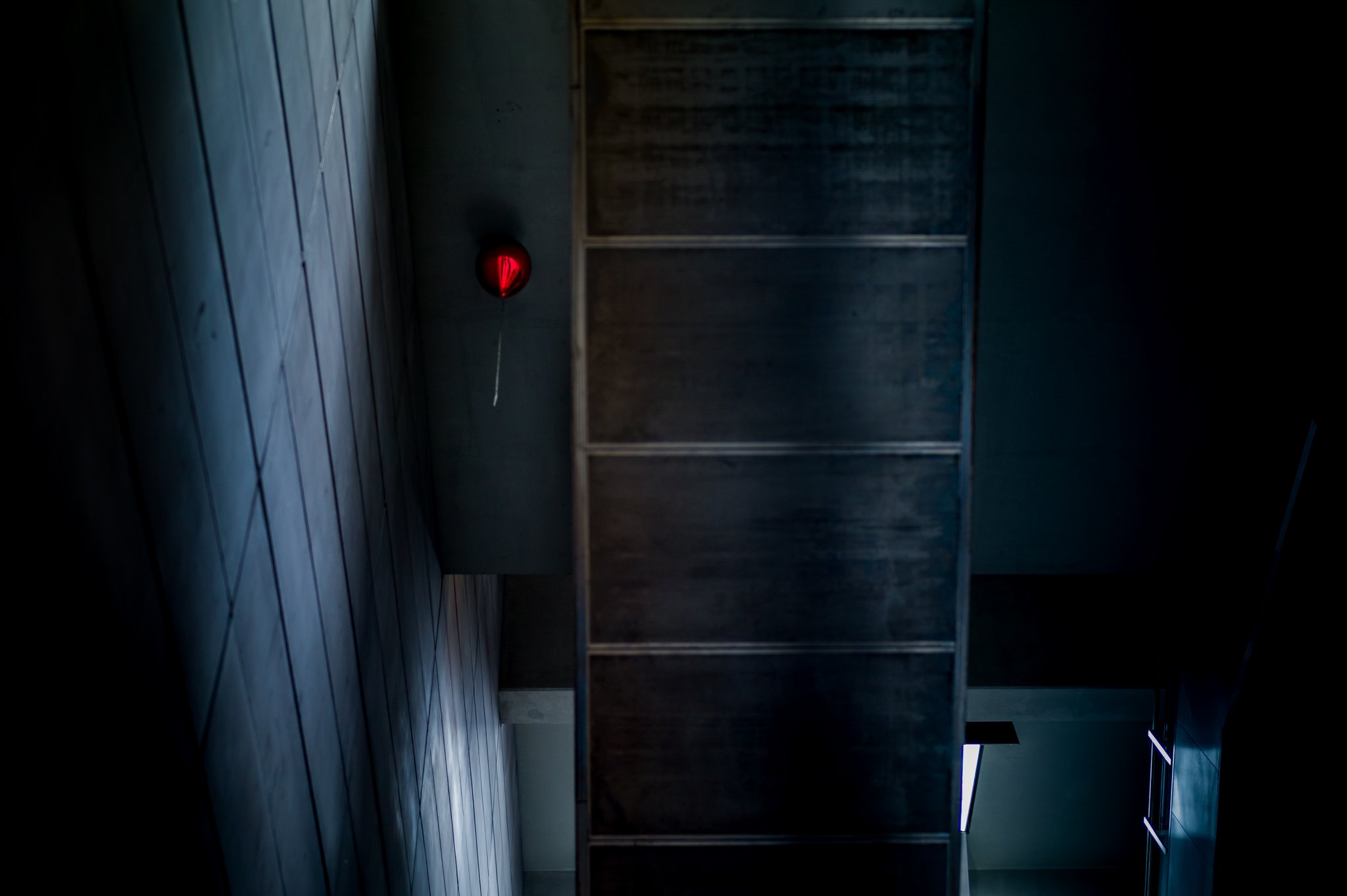
Pictures below shows a balloon scene from Copenhagen, and another one in Berlin. One scene including people, the other one living its own life.
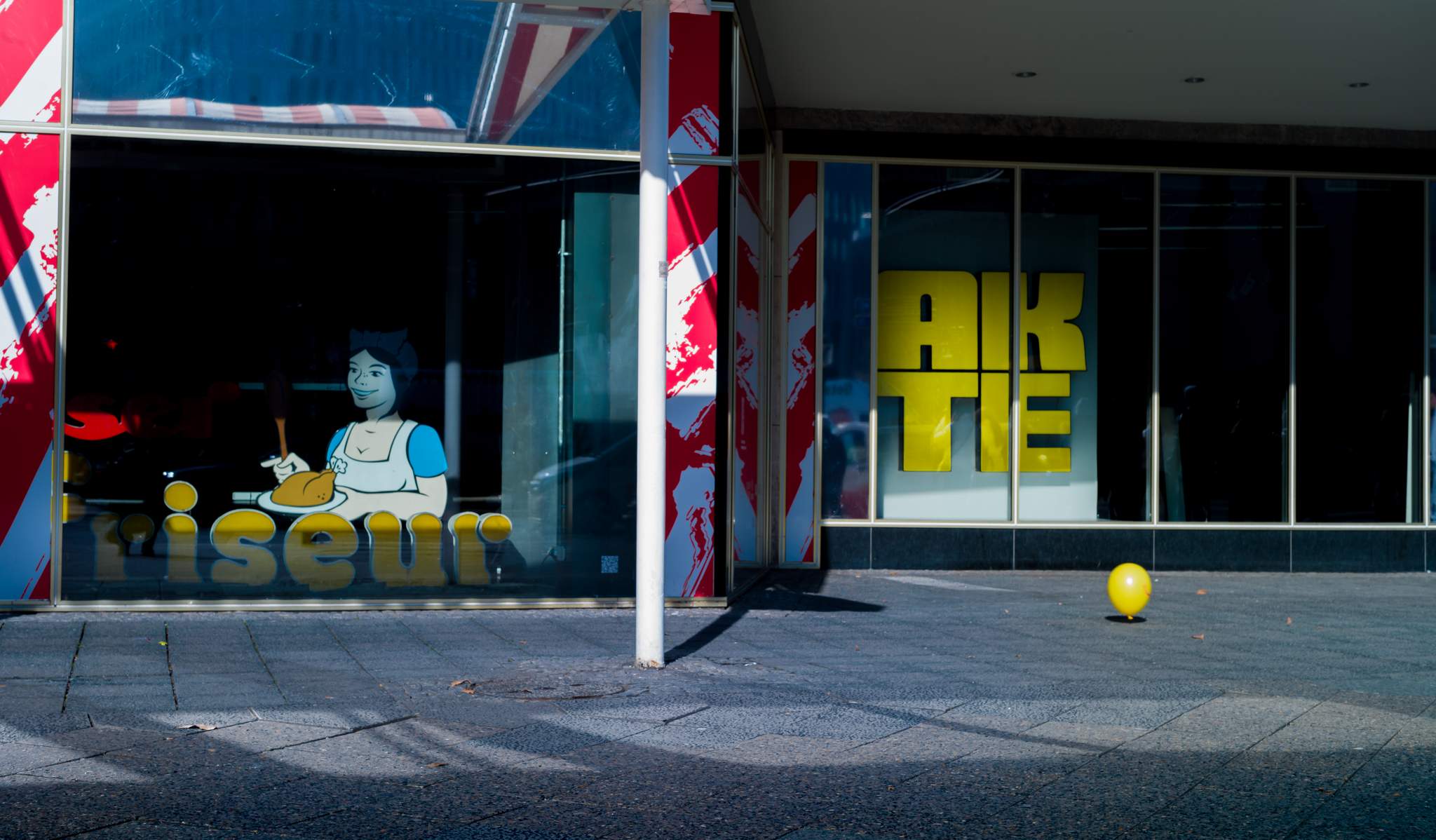
Think of the city as a living organism—its architecture, signage, and streets are the bones; light and weather are its mood.
Light Is Your Main Character
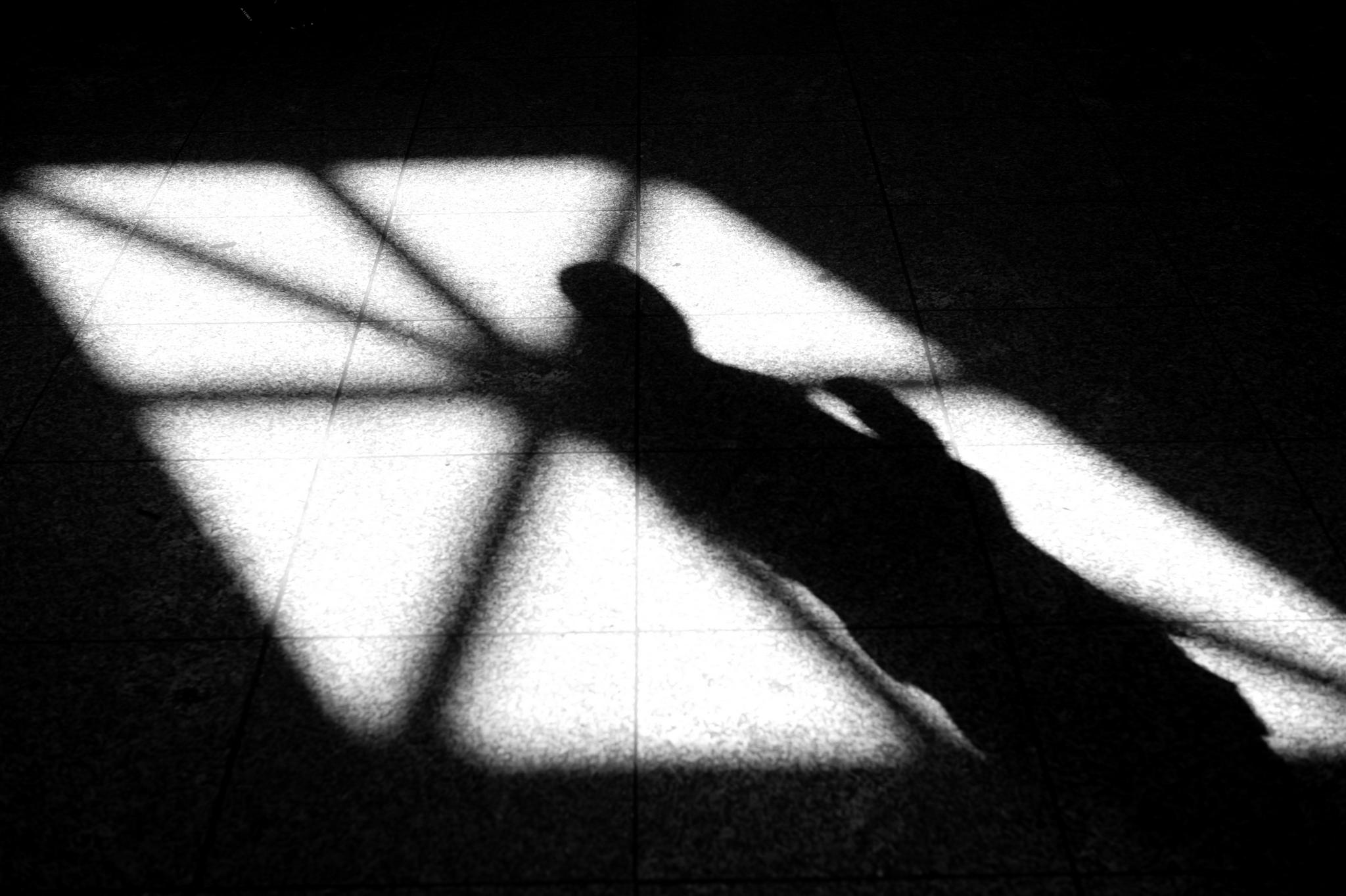
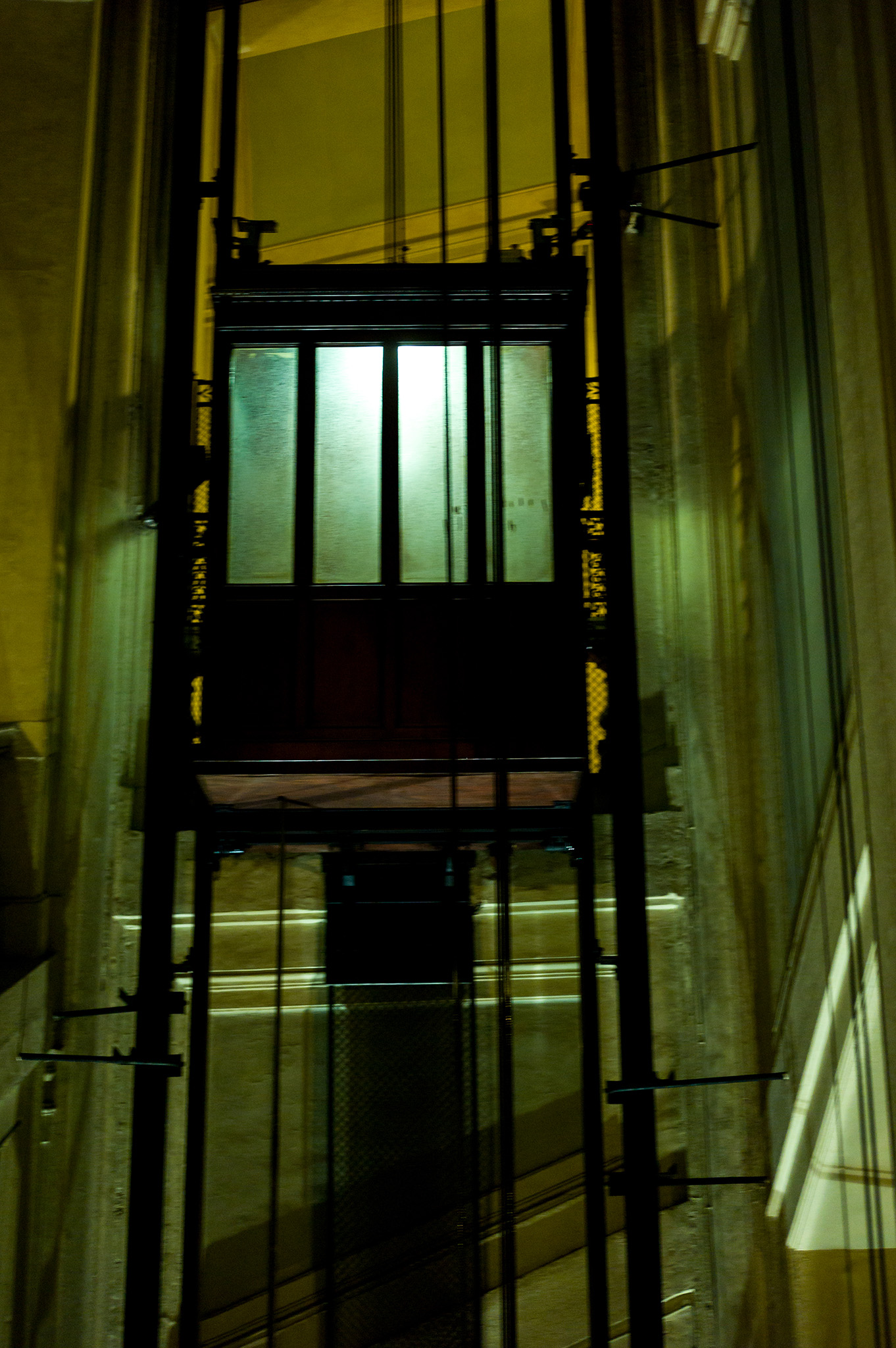
Light transforms ordinary streets into extraordinary compositions. Early morning and late afternoon—the golden hours—offer soft, directional light that adds depth and warmth. Harsh midday sun creates graphic shadows and bold contrasts, perfect for minimalist frames, but also a time to seek the spaces maybe not be that obvious. At night, street lamps, neon signs, and reflections in puddles can turn the mundane into cinematic.
Use People as Scale and Life
You don’t need to get close to people to include them in your work.
A distant figure walking across a vast plaza, a silhouette framed by towering architecture, or a cyclist passing through a shaft of light can add scale, movement, and a sense of life without dominating the image.
These small human elements remind viewers that cities are lived-in spaces, while keeping your focus on the environment.
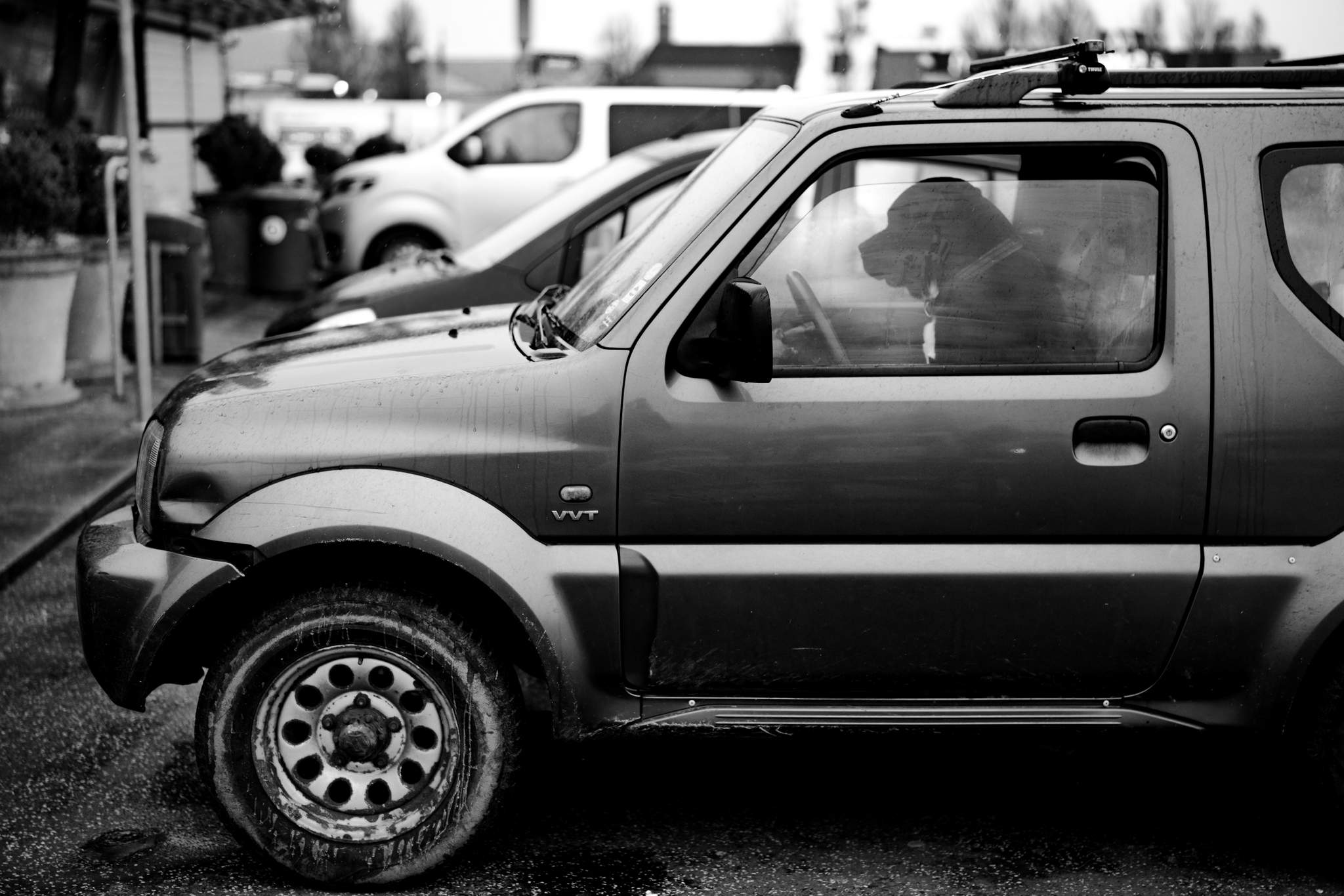
I have a weakness for dogs, and cats for that matter, when I walk the streets. I find them lovely and amusing, reflecting a part of life. I have a little fun taking pictures where I leave their humans out, adding a different look at dogs in the city.
Seek Quiet Corners
If crowds overwhelm you, explore back alleys, rooftops, or industrial zones. These spaces often have raw textures and bold shapes. Use negative space to emphasise solitude—an empty bench under a streetlight or a single tree breaking the monotony of concrete can evoke powerful emotions. It’s up to your eye and imagination what speaks to you.
Play with Reflections and Layers
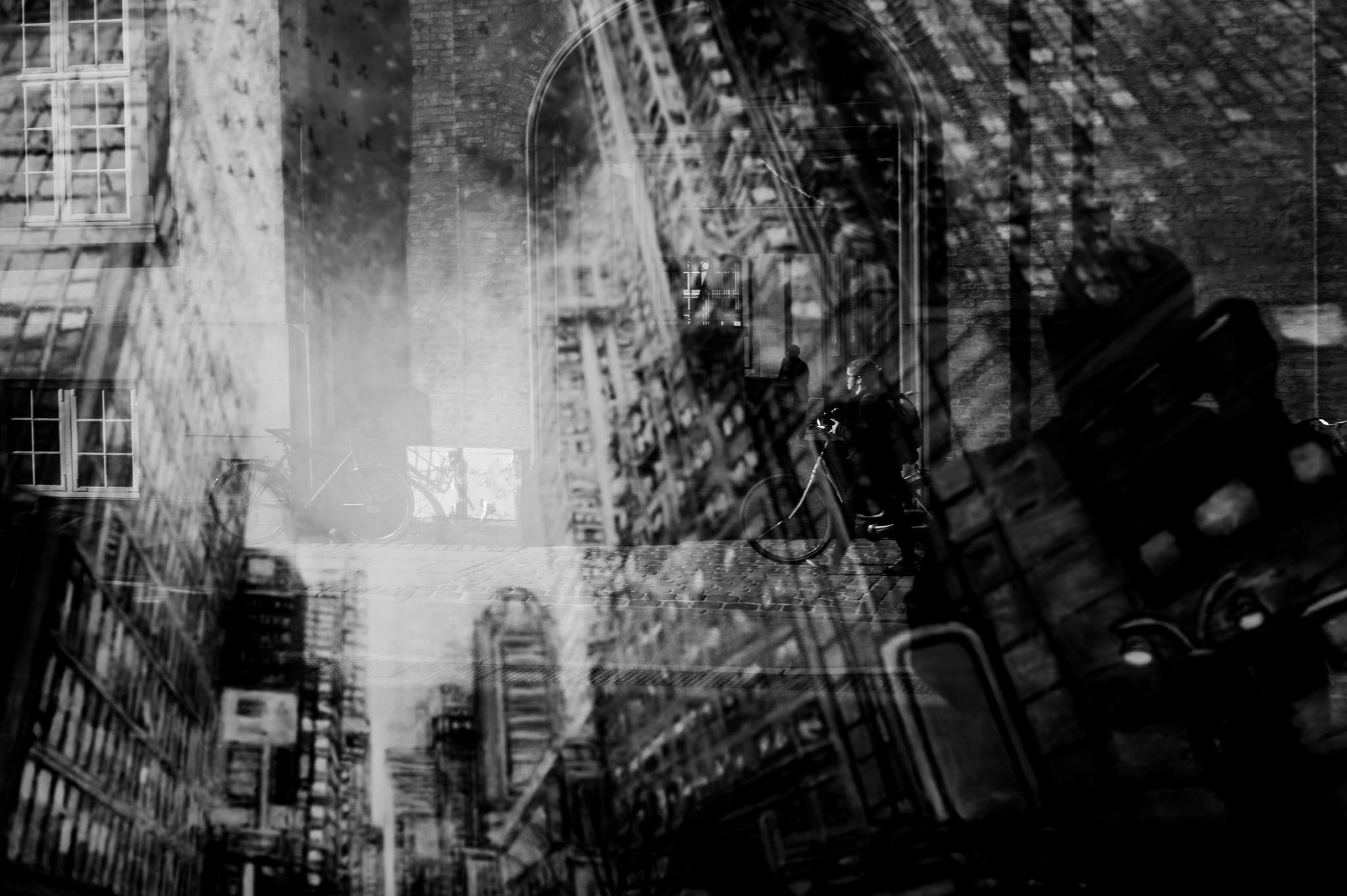
Windows, mirrors, and puddles offer opportunities for abstract compositions. They allow you to capture the city in fragments, creating depth without needing human subjects. Look for unexpected juxtapositions—a modern skyscraper reflected in an old shop window, or clouds mirrored in a glass façade.
I rarely come back from a photoshoot in the streets without some kind of reflections involved, from windows or puddles.
Colour vs. Black and White
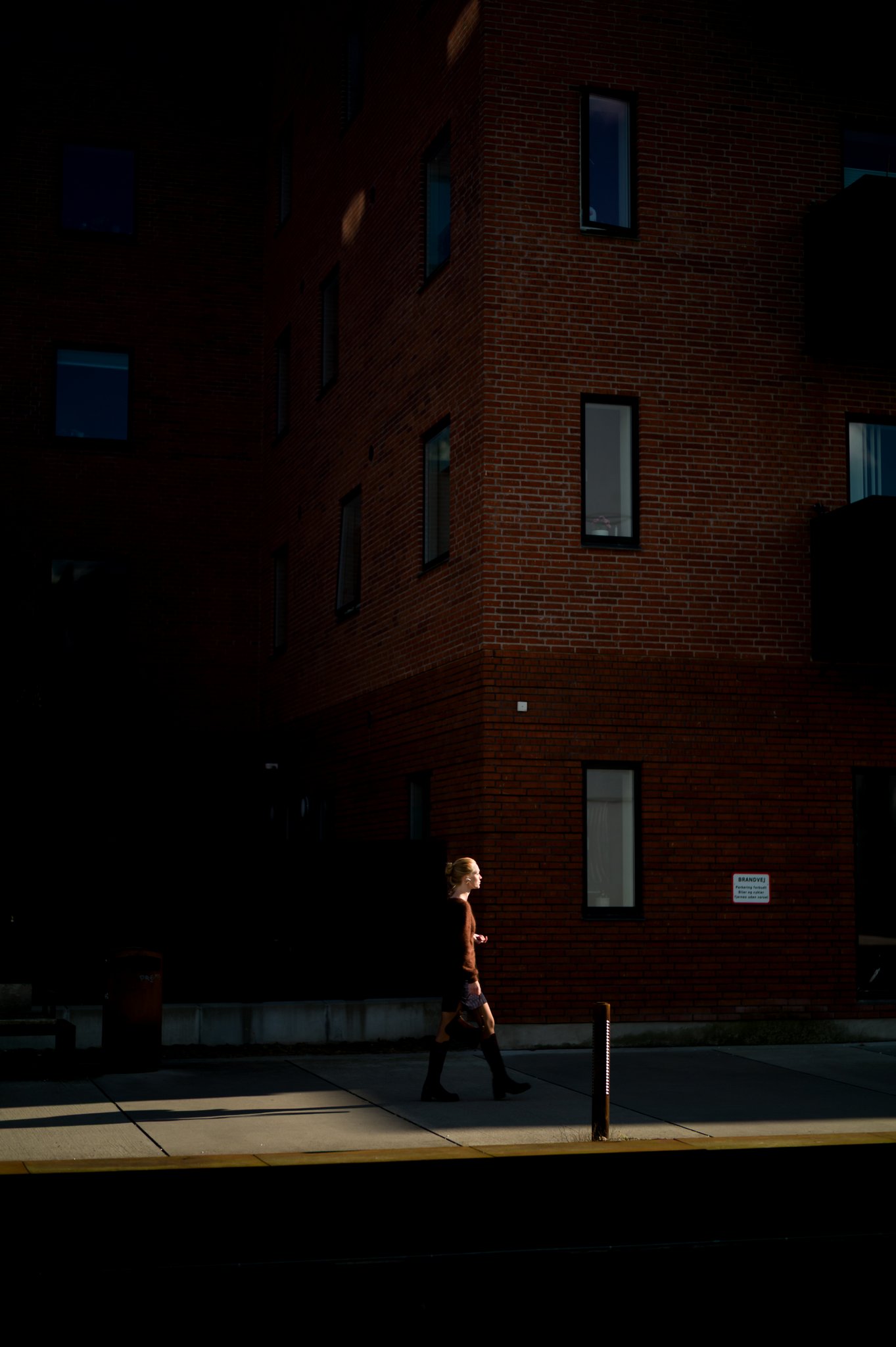
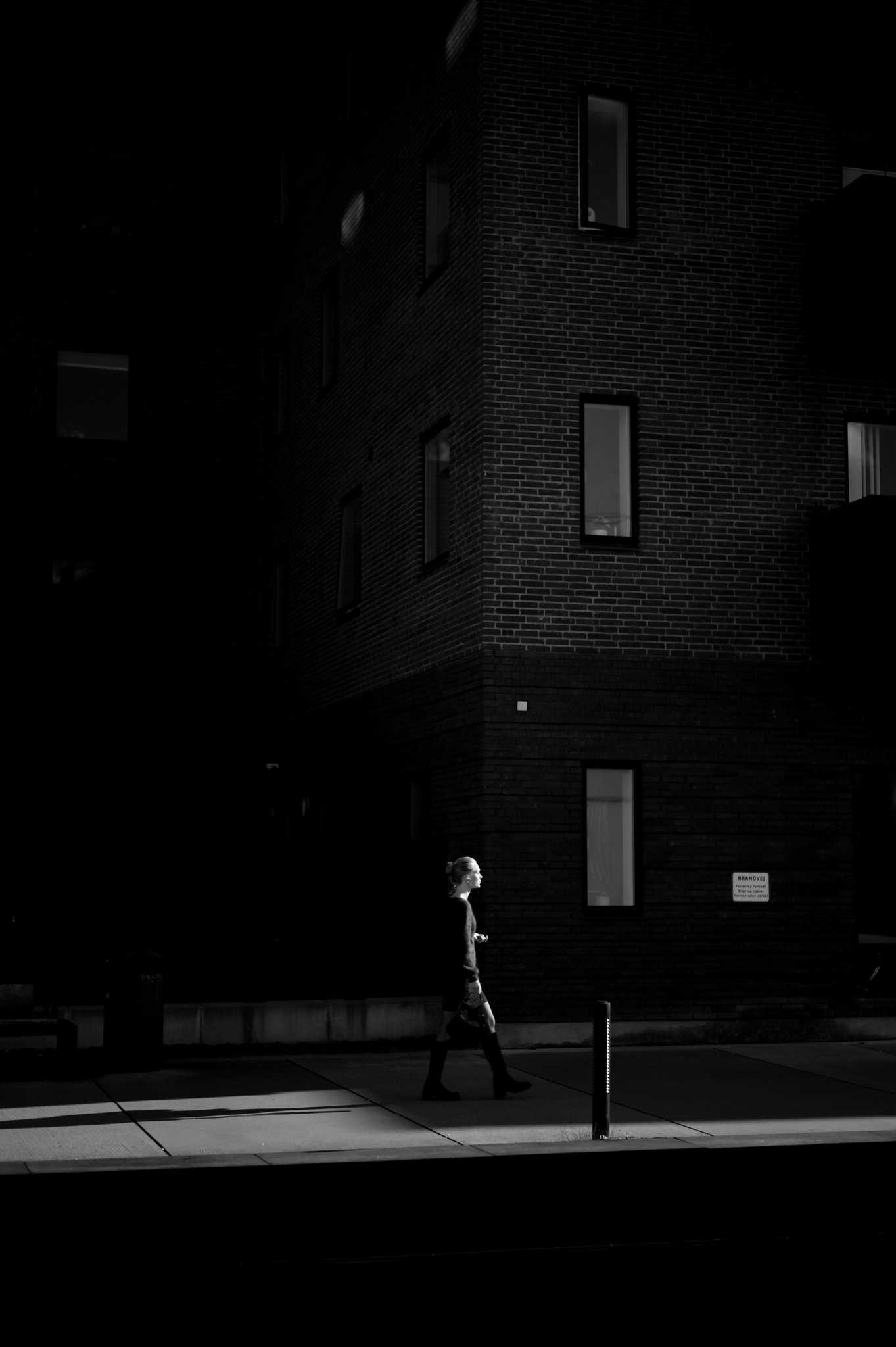
Colour highlights the vibrancy of urban life—graffiti, signage, and rust tones. Black and white strips away distractions and emphasises form, texture, and light. Experiment with both to see which best conveys your vision. Sometimes both work equally well. The cityscape from Odense, Denmark, below shows that.
Your Streets, Your Story
Street photography isn’t about following rules—it’s about seeing. Whether you choose to photograph bustling crowds or empty streets, your perspective matters. By focusing on urban landscapes, light, and subtle human presence, you can create images that feel timeless and deeply personal. The beauty of street photography lies in its diversity—there’s room for every voice, including yours.
I am here to help you. In the workshops, we talk about how we see the motive and composition. We look at camera settings and use the light to our advantage and creativity. We find what suits your personality the best, so you gain success with your photography.
I hope to see you at a workshop in 2026. Sign up before they are gone, and bring your photography into a new phase with more inspiration and joy in the bag.
This story also is available as a YouTube video. Visit the channel here: youtube.com/@MortenAlbekPhotography
A quick poll – what do you prefer?
Share this:

Discover more from Morten Albek Photo Workshops
Subscribe to get the latest posts sent to your email.

