
The 50mm Lens: A Classic Perspective and the ASPH Difference
Few focal lengths have achieved the legendary status of the 50mm lens. Often called the “normal” lens, it offers a field of view close to human vision, making it a favourite for street photography, portraits, and everyday shooting. For Leica enthusiasts, the 50mm lens is more than a tool—it’s a philosophy of simplicity and precision. Other brands have their 50mm classics, and I will list just a few serving as examples further down.
My own choice often is the 50mm, but occasionally you will see a 35mm lens on my camera as well. But the fifty-nifty is the choice for me. Why? It just pleases me to work with this focal length. It isn’t much deeper than that. It looks good and natural for the style of photography I often do.
In this article, I will focus on the ASPH versus the pre-ASPH lenses and how they behave differently.

Why 50mm?
The 50mm focal length strikes a balance between intimacy and context. It avoids the distortion of wide-angle lenses while remaining more versatile than telephoto options. Historically, 50mm lenses were the standard kit lens for film cameras, and their optical designs have evolved dramatically over the decades.
You can add a lot of arguments against the “natural view” (covered here: https://www.mortenalbek.com/articles/50mm-view-myth-or-reality/), but here I stay with the subject of the 50mm and its characteristics.

Leica’s 50mm Lineup
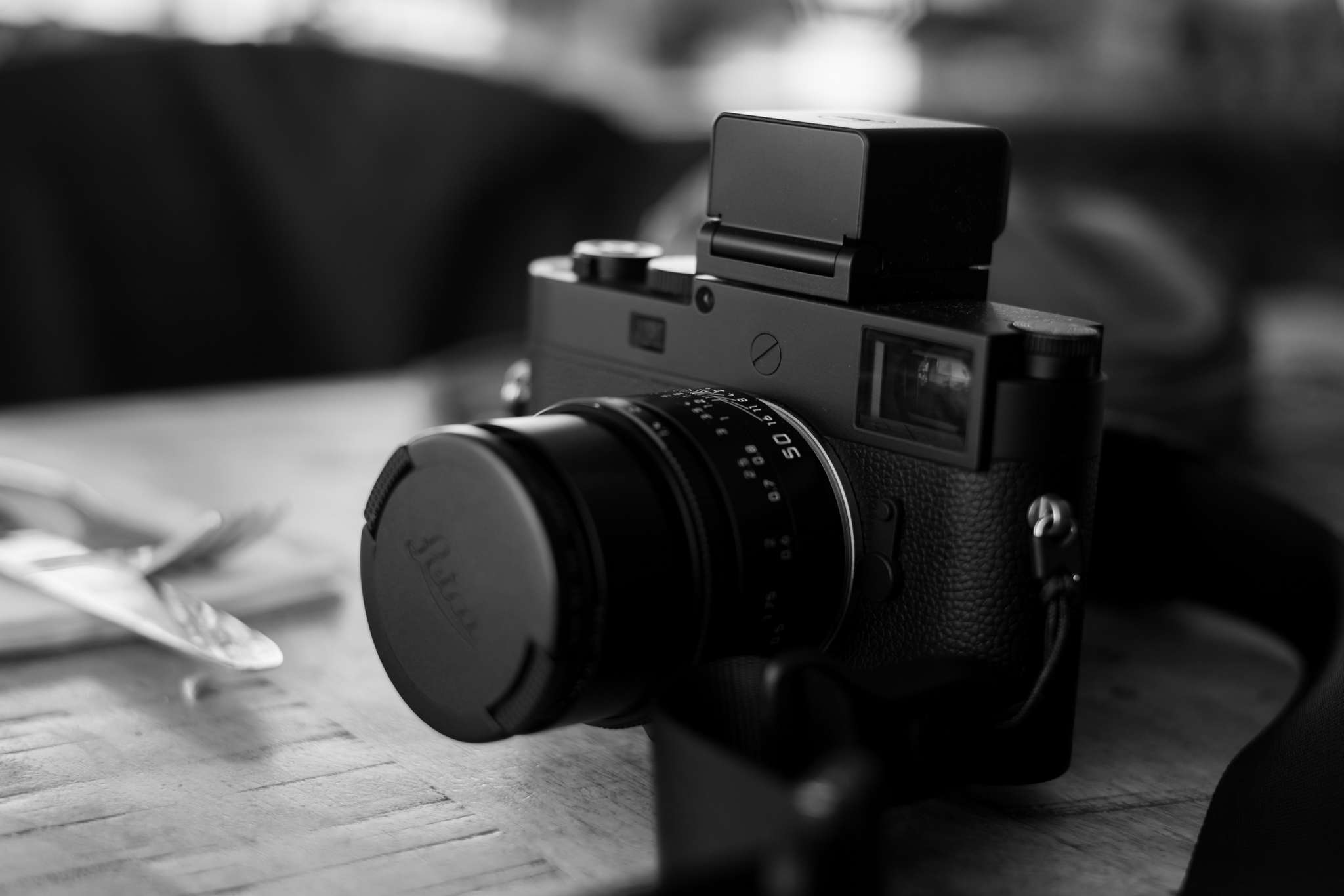
Leica offers several iconic 50mm lenses, each with its own character:
- Summicron 50mm f/2 – Known for its compact size and classic rendering.
- Summilux 50mm f/1.4 – A fast lens with beautiful bokeh and low-light capability.
- Noctilux 50mm f/0.95 – A dream lens for those who crave extreme shallow depth of field and unique rendering.
Within these lines, you’ll often see the designation ASPH—short for Aspherical.
However, first, a few other lenses to be aware of. Serving as examples, Nikon and Fujifilm have their own legends:
Nikon
Nikkor 50mm f/1.4 AI-S – A manual-focus classic from the film era, known for its warm rendering and smooth bokeh.
Nikkor 50mm f/1.8 Series E – Affordable, lightweight, and beloved by generations of photographers.
Modern Nikkor Z 50mm f/1.2 S – A cutting-edge mirrorless design with incredible sharpness and creamy bokeh.


The optical design of this Nikkor 55mm 1.2 dates back to 1965, which makes it Nikon’s first f/1.2 lens for the F-mount. As a non-aspherical lens it creates a dreamy bokeh and easily get flares from light hitting the glass because of its lack of coating.
Fujifilm
Fujinon 50mm f/1.4 (Vintage) – A gem from the film days, offering a distinctive character.
Fujinon XF 35mm f/1.4 (APS-C equivalent) – While not a true 50mm, this lens is considered the spiritual successor for Fujifilm X shooters, delivering classic rendering and a unique “look.”
What Does ASPH Mean?
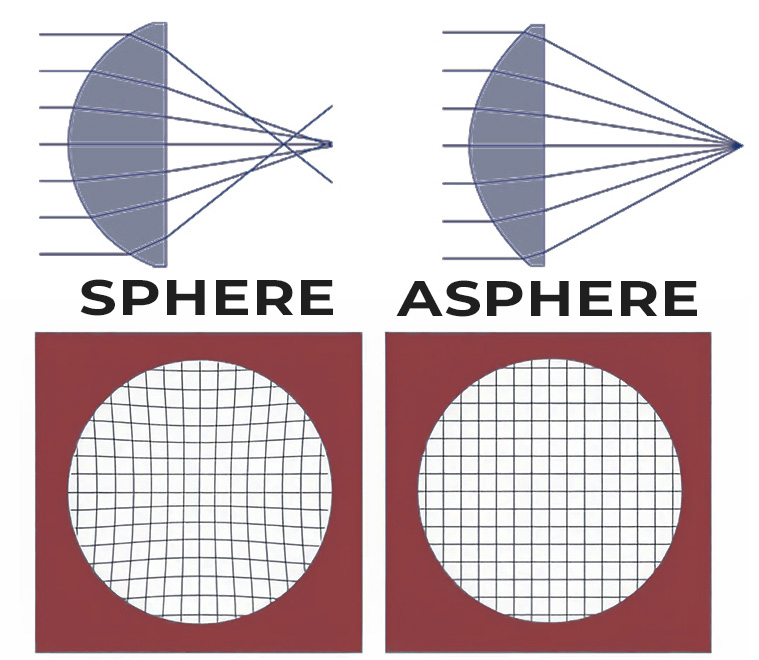
Back to Leica, the ASPH indicates that the lens incorporates aspherical elements—lens surfaces that deviate from a simple spherical shape. This design innovation allows Leica to:
- Correct optical aberrations such as spherical aberration and chromatic aberration (CA), also called chromatic distortion, color aberration, color fringing, or purple fringing, is a failure of a lens to focus all colors.
- Maintain sharpness and contrast even at wide apertures.
- Reduce size and weight while achieving high performance.
For example, the Summilux 50mm f/1.4 ASPH is celebrated for its ability to deliver crisp detail and minimal distortion at f/1.4, something older spherical designs struggled with.
ASPH vs. Non-ASPH: The Rendering Debate
Here’s where things get interesting. While ASPH lenses are technically superior, many photographers love the “character” of older, non-ASPH designs:
- Non-ASPH lenses often exhibit gentle softness wide open, with a dreamy glow and more pronounced vignetting. This can create a romantic, vintage look.
- ASPH lenses deliver clinical sharpness, neutral rendering, and excellent correction of aberrations. They are ideal for modern digital sensors and those who value precision.
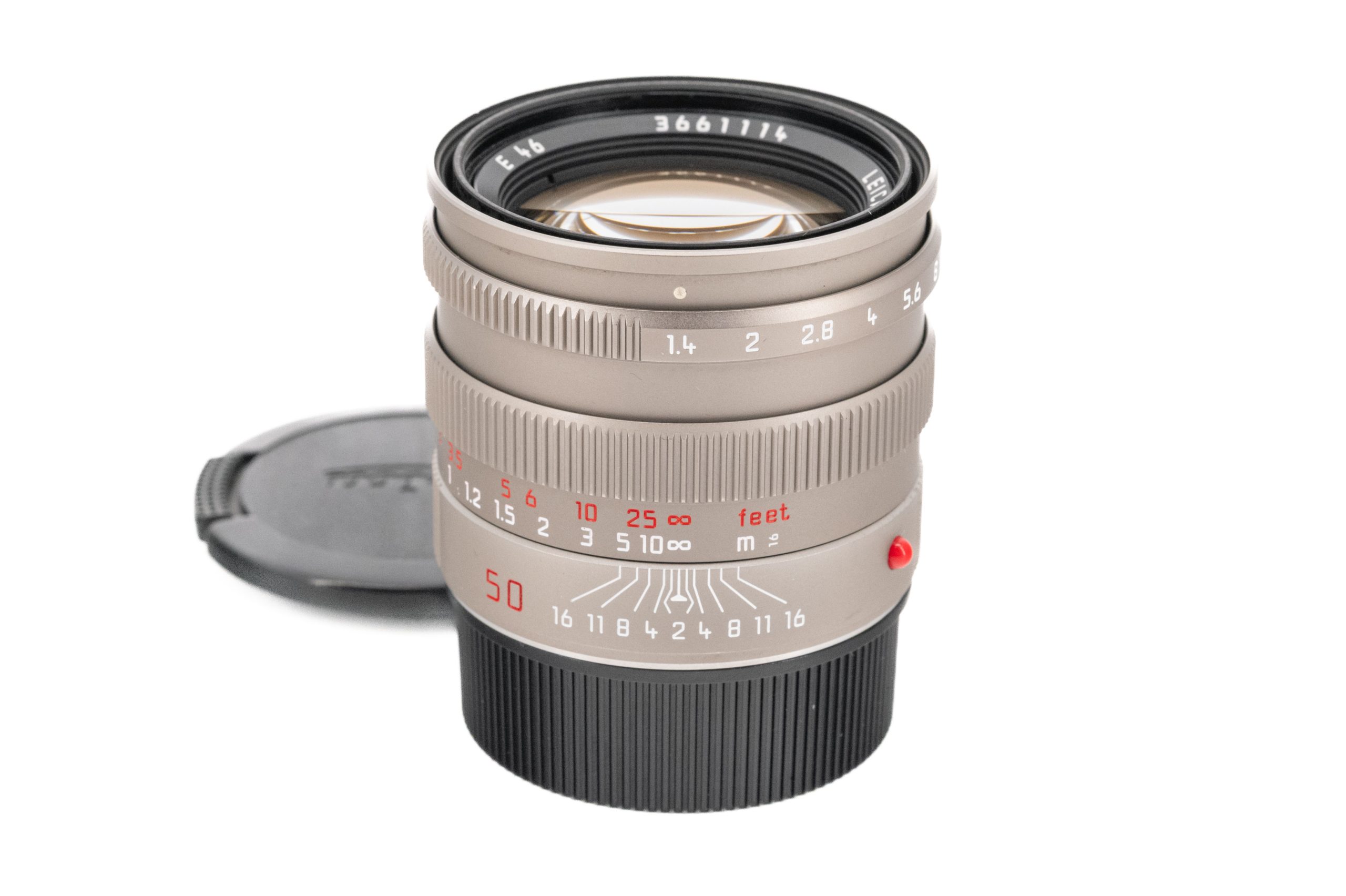
The pre-ASPH 50mm lens from Leica.
This difference is why some photographers keep both versions—a Summilux pre-ASPH for its classic charm and a Summilux ASPH for ultimate performance.
Historical Context
Leica introduced ASPH technology in the 1990s, responding to the demand for higher resolution and better optical correction. Aspherical elements were once prohibitively expensive to produce, but Leica’s craftsmanship made them a hallmark of premium lens design.
Which Should You Choose?
- For technical perfection, ASPH lenses are unbeatable.
- For character and mood: Non-ASPH lenses offer a unique signature that many find irresistible.
Ultimately, the choice depends on your artistic vision. Do you want the clean, modern look or the nostalgic rendering of classic glass?

Summilux 50mm f1.4 ASPH
Share this:

Discover more from Morten Albek Photo Workshops
Subscribe to get the latest posts sent to your email.
The 50mm Lens: A Classic Perspective and the ASPH Difference
Why 50mm?
The 50mm focal length strikes a balance between intimacy and context. It avoids the distortion of wide-angle lenses while remaining more versatile than telephoto options. Historically, 50mm lenses were the standard kit lens for film cameras, and their optical designs have evolved dramatically over the decades. You can add a lot of arguments against the “natural view” (covered here: https://www.mortenalbek.com/articles/50mm-view-myth-or-reality/), but here I stay with the subject of the 50mm and its characteristics.
Leica’s 50mm Lineup
Leica offers several iconic 50mm lenses, each with its own character:- Summicron 50mm f/2 – Known for its compact size and classic rendering.
- Summilux 50mm f/1.4 – A fast lens with beautiful bokeh and low-light capability.
- Noctilux 50mm f/0.95 – A dream lens for those who crave extreme shallow depth of field and unique rendering.
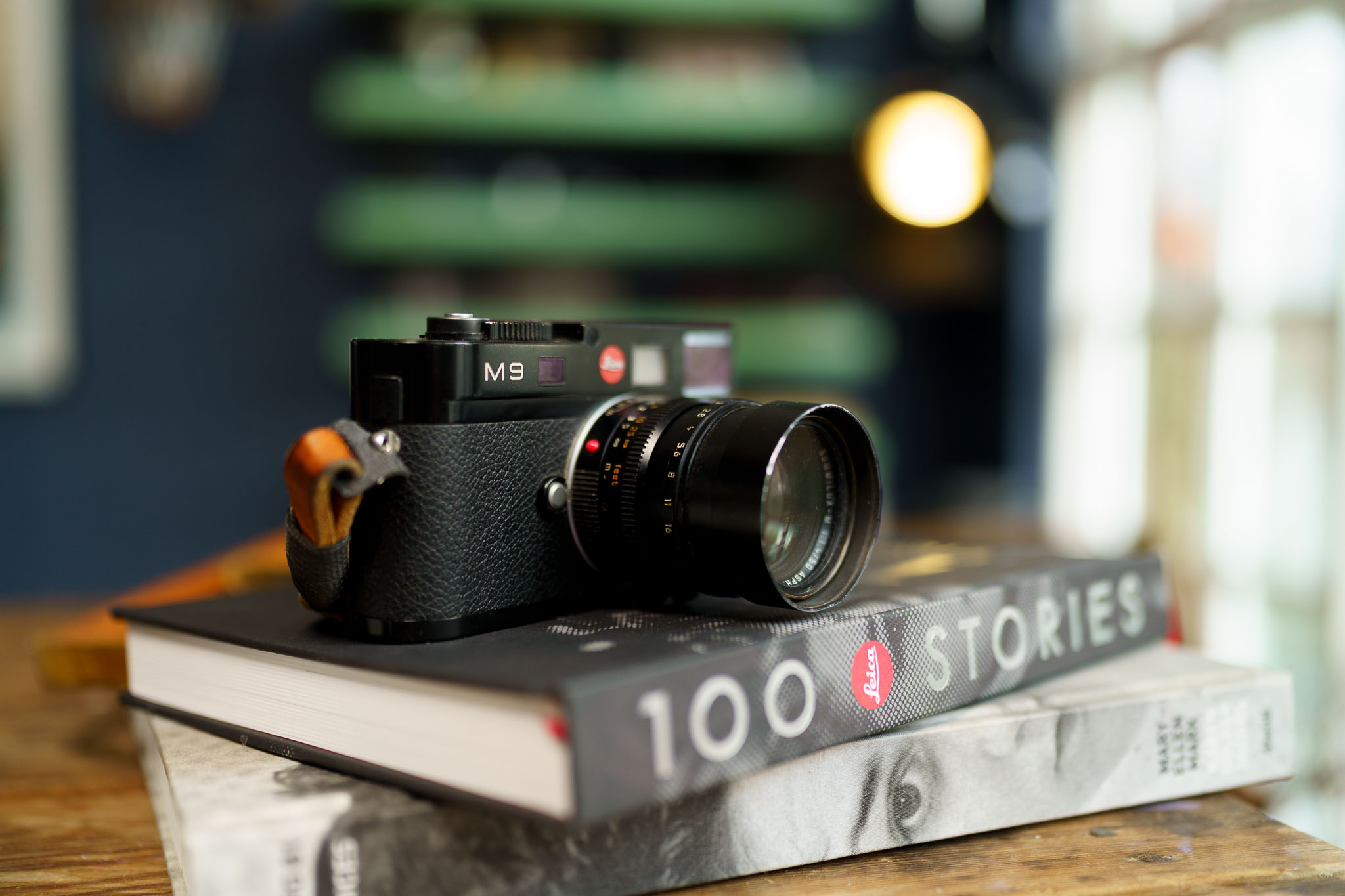
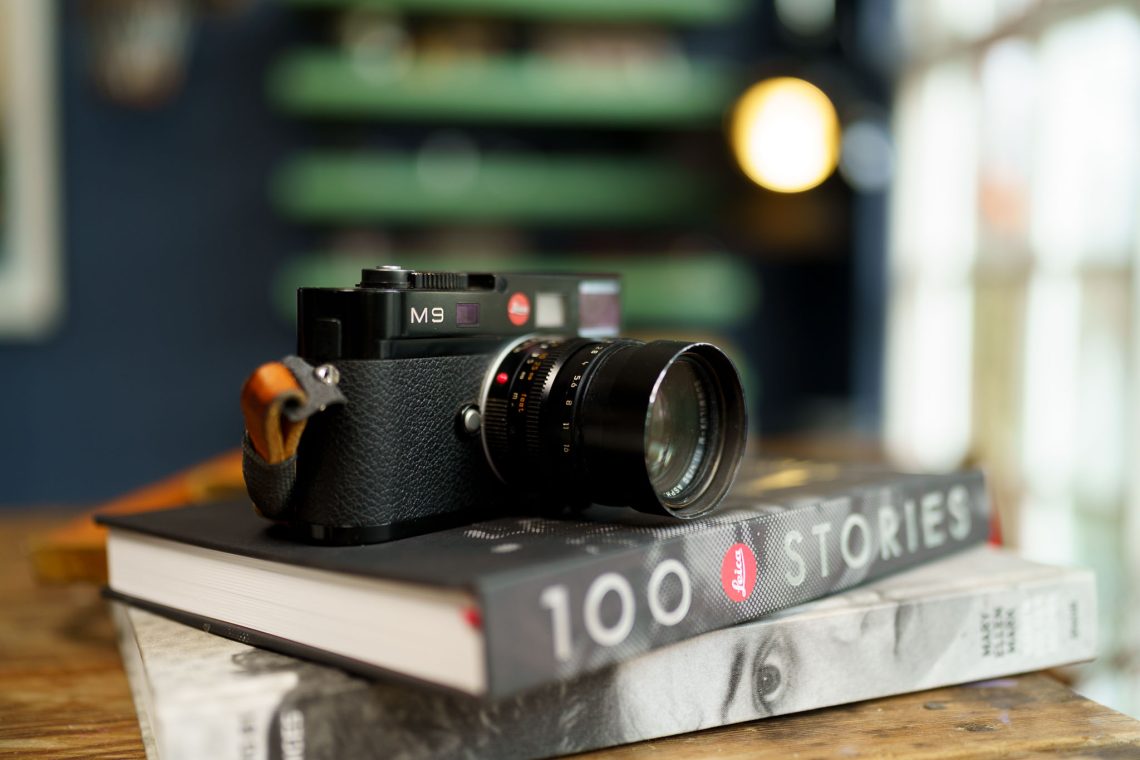
The Summilux 50mm f.1.4 ASPH on Leica M9.
What Does ASPH Mean?
Back to Leica, the ASPH indicates that the lens incorporates aspherical elements—lens surfaces that deviate from a simple spherical shape. This design innovation allows Leica to:- Correct optical aberrations such as spherical aberration and chromatic aberration (CA), also called chromatic distortion, color aberration, color fringing, or purple fringing, is a failure of a lens to focus all colors.
- Maintain sharpness and contrast even at wide apertures.
- Reduce size and weight while achieving high performance.
ASPH vs. Non-ASPH: The Rendering Debate
Here’s where things get interesting. While ASPH lenses are technically superior, many photographers love the “character” of older, non-ASPH designs:- Non-ASPH lenses often exhibit gentle softness wide open, with a dreamy glow and more pronounced vignetting. This can create a romantic, vintage look.
- ASPH lenses deliver clinical sharpness, neutral rendering, and excellent correction of aberrations. They are ideal for modern digital sensors and those who value precision.
The pre-ASPH 50mm lens from Leica.
This difference is why some photographers keep both versions—a Summilux pre-ASPH for its classic charm and a Summilux ASPH for ultimate performance.Historical Context
Leica introduced ASPH technology in the 1990s, responding to the demand for higher resolution and better optical correction. Aspherical elements were once prohibitively expensive to produce, but Leica’s craftsmanship made them a hallmark of premium lens design.Which Should You Choose?
- For technical perfection, ASPH lenses are unbeatable.
- For character and mood: Non-ASPH lenses offer a unique signature that many find irresistible.
Summilux 50mm f1.4 ASPH
Discover more from Morten Albek Photo Workshops
Subscribe to get the latest posts sent to your email.

